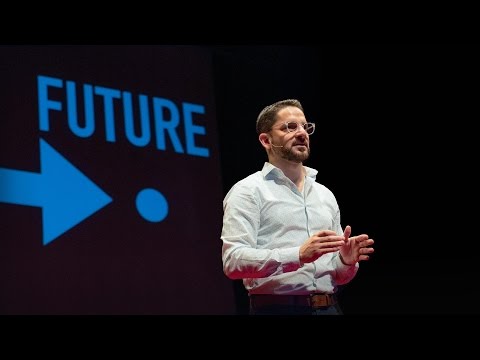
3 ways to plan for the (very) long term | Ari Wallach
Futuring: Addressing Short-Termism in Problem Solving
The Concept of Futuring
- The speaker introduces the term "futuring," which they have been practicing for about 20 years, emphasizing a shift from long-term to short-term thinking in discussions.
- A recent conversation with a CEO highlights the urgency of addressing problems within a six-month timeframe, indicating a growing trend towards short-termism.
The Impact of Short-Termism
- Short-termism is identified as a significant barrier to solving major civilizational issues, necessitating new mental models for effective problem-solving.
- Examples illustrate how short-term thinking affects decision-making across various sectors, such as safety equipment purchases and educational practices.
- Historical achievements like the Panama Canal and women's suffrage are contrasted with current hyper-reactionary responses to complex issues due to short-term perspectives.
Consequences of Short-Term Thinking
- The speaker discusses tragic events like the I-35W bridge collapse as outcomes of neglecting long-term planning in favor of immediate gains.
- Current societal reactions include punitive measures against vulnerable populations and poorly planned urban development driven by quick profits.
Technical Fixes vs. Long-Term Solutions
- Technical fixes are likened to "sandbag strategies," providing temporary relief without addressing underlying issues; these can yield short-term political or financial success.
- Emphasizing that while some technical solutions exist, they often fail to create sustainable change unless accompanied by shifts in mindset.
Introducing Longpath Thinking
- The concept of "longpath" is introduced as an ongoing practice rather than a one-time exercise, requiring continuous reflection on decisions over time.
- Longpath involves revisiting different ways of thinking for every major decision, contrasting it with typical corporate planning sessions that quickly fade from memory.
Transgenerational Thinking
- Transgenerational thinking expands ethical considerations beyond one's lifetime, challenging conventional self-centered approaches prevalent in society today.
Transgenerational Thinking and Futures: A New Perspective
The Challenge of Engaging with Children
- The speaker reflects on the difficulty of engaging in transgenerational thinking, particularly in personal settings like a restaurant, highlighting the awkwardness of such an approach.
Understanding Transgenerational Ethics
- Engaging children in meaningful conversations or activities is challenging but crucial; it connects them to the present while influencing how they will interact with future generations.
Rethinking Our Vision for the Future
- When envisioning the future, many default to a technology-centric perspective, which can limit broader discussions about potential solutions to major issues.
- Historical perspectives on the future varied significantly; ancient cultures and institutions like the Church had different frameworks that shaped their visions.
Technology's Dominance in Future Planning
- The speaker emphasizes that society has shifted from traditional authorities (like religious leaders) to tech leaders (Silicon Valley), which influences our problem-solving approaches.
- While technology is valuable, relying solely on it may hinder comprehensive solutions for complex societal issues like climate change and poverty.
Expanding Perspectives Beyond Technology
- It's essential to challenge dominant assumptions about viewing the future only through a technological lens; diverse perspectives are necessary for addressing vast problems effectively.
- The speaker advocates discussing "futures" rather than just "the future," encouraging broader conversations that include various possibilities beyond technology as a solution.
Moral Evolution vs. Technological Evolution
- There is a pressing need for moral evolution alongside technological advancements; without this balance, society risks falling into short-termism and failing to address long-term goals effectively.
Exploring Telos Thinking
- Telos thinking focuses on understanding one's ultimate aim or purpose—asking "to what end?"—and encourages long-term visioning beyond immediate concerns.
- The reference to Odysseus' journey illustrates how having a clear goal ("Ithaca") can guide actions and decisions over time, emphasizing the importance of defining what comes after solving current problems.
Long-Term Business Strategies
- Family-run businesses often exemplify transgenerational thinking by prioritizing long-term sustainability over short-term gains, showcasing effective models for enduring success.
Redefining Our Relationship with Time
- The concept of treating "the future" as an active verb rather than a passive noun highlights our agency in shaping outcomes through deliberate action and planning.
Embracing Mortality and Legacy
- Acknowledging mortality can lead to more profound reflections on legacy; applying new ways of thinking helps individuals become comfortable with their eventual passing while focusing on what they leave behind.
Personal Reflection: What is Your Longpath?
Turn any video into a summary like this
YouTube links, meetings, lectures. With transcripts, search, and chat.