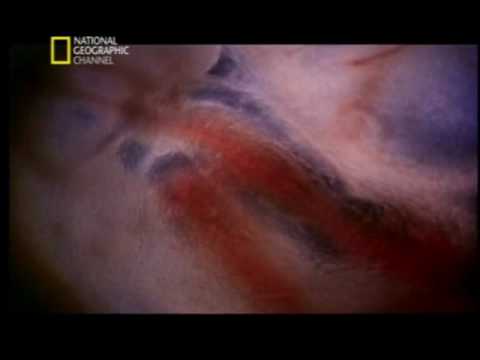
Embarazo 2/10 - En el vientre materno. National Geographic.
Embryonic Development Overview
The transcript discusses the stages of embryonic development, focusing on the intricate processes that occur during pregnancy.
Embryo Formation
- During the third week, the embryo takes shape as a mass of cells folds to form an elongated tube, which will develop into the head and trunk.
- At 15 days, nerve cells begin forming the brain and neural tube, while the embryo remains vulnerable within the mother's protective environment.
- Pregnancy triggers significant changes in a woman's body, with a 50% increase in blood volume to support fetal oxygen demands.
Organ Development
- The heart forms within 22 days, initiating contractions crucial for circulation and nutrient delivery.
- Heart muscle cells contract spontaneously until controlled by the brain later on for consistent beating throughout life.
- Circulation begins as blood cells flow through veins thinner than hair strands to supply oxygen and nutrients for growth.
Early Fetal Development
The early weeks mark critical milestones in fetal development, showcasing rapid progress and organ formation.
Nervous System and Heart Function
- By three weeks, rudimentary nervous system structures and a functioning heart enable nutrient distribution within the tiny fetus.
- Hormone-based pregnancy tests provide initial clues about physiological changes unfolding over eight months.
Rapid Growth Phase
- At four weeks, rapid growth sees the embryo size double daily with emerging features like eyes and limb buds taking shape.
Turn any video into a summary like this
YouTube links, meetings, lectures — with transcripts, search, and chat.