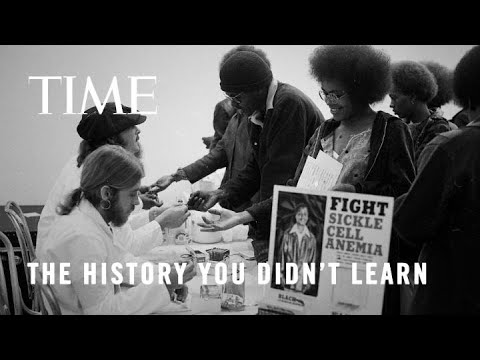
The Black Panthers' Overlooked Health Programs | The History You Didn't Learn | TIME
Understanding the Legacy of the Black Panther Party
Misconceptions and Historical Context
- The Black Panther Party is often misunderstood, frequently labeled as a violent organization despite its focus on community service and protection against police brutality.
- Many educational resources perpetuate a "declension narrative," suggesting that the Civil Rights movement declined into radicalism after Martin Luther King Jr.'s assassination in 1968. This perspective overlooks significant contributions made by groups like the Panthers.
- Textbooks rarely mention the extensive social programs initiated by the Black Panthers, which included healthcare initiatives aimed at improving community well-being.
Healthcare Initiatives and Community Impact
- The Black Panther Party's commitment to healthcare was rooted in their anti-capitalist and socialist beliefs, aligning with Dr. King's advocacy for economic justice through democratic socialism. Their goal was to expose societal issues and promote necessary changes, particularly in healthcare access.
- Cleo Silvers' experience as a health care volunteer highlighted severe conditions in areas like the South Bronx, where hospitals provided inadequate care to predominantly Black patients, leading to protests against these injustices.
- The Panthers offered various health services including first aid training, free ambulance services, sickle cell anemia testing, gynecological exams, and more—addressing preventable diseases within marginalized communities.
Addressing Medical Discrimination
- A long history of medical discrimination has fostered mistrust among Black communities towards healthcare systems; this includes unethical practices such as illegal sterilizations of women of color. The Panthers sought to combat these injustices through direct community engagement and education about health issues.
- They implemented door-to-door programs to identify diseases like tuberculosis and diabetes while providing referrals for those hesitant to seek medical help due to fear or past experiences with healthcare providers.
Legacy and Continuing Influence
- Despite disbanding in 1982, the legacy of the Black Panther Party persists through community-run programs that originated from their initiatives—such as health clinics and food banks—which continue serving local populations today.
- Many current activists draw inspiration from the Panthers’ model of community care; understanding this history can empower new generations to address ongoing disparities exacerbated by events like COVID-19. This connection emphasizes lessons about organizing against systemic barriers in healthcare access today.
Founding the Black Doctors COVID-19 Consortium
Context and Motivation
- The Black Doctors COVID-19 Consortium was founded in Philadelphia amid alarming reports on April 3rd, 2020, highlighting that African-Americans were disproportionately affected by COVID-19, facing higher rates of diagnosis and mortality compared to other groups.
- Reflecting on his medical education, the speaker recalls learning about social determinants of health that contribute to poorer health outcomes for Black individuals, including shorter life expectancy and worse management of chronic conditions like cancer and diabetes.
Taking Action
- Determined not to accept these disparities as inevitable truths, the speaker emphasizes a commitment to changing the narrative surrounding healthcare access for Black communities.
- The consortium has successfully tested over 26,000 individuals for COVID-19 and provided essential health services such as flu shots. They are now conducting vaccination clinics specifically targeting highly impacted communities.
Systemic Issues in Healthcare
- The speaker argues that systemic racism is deeply embedded within capitalism and extends into the healthcare system, affecting equitable access to care. This highlights a broader issue of racial inequity in health outcomes across America.