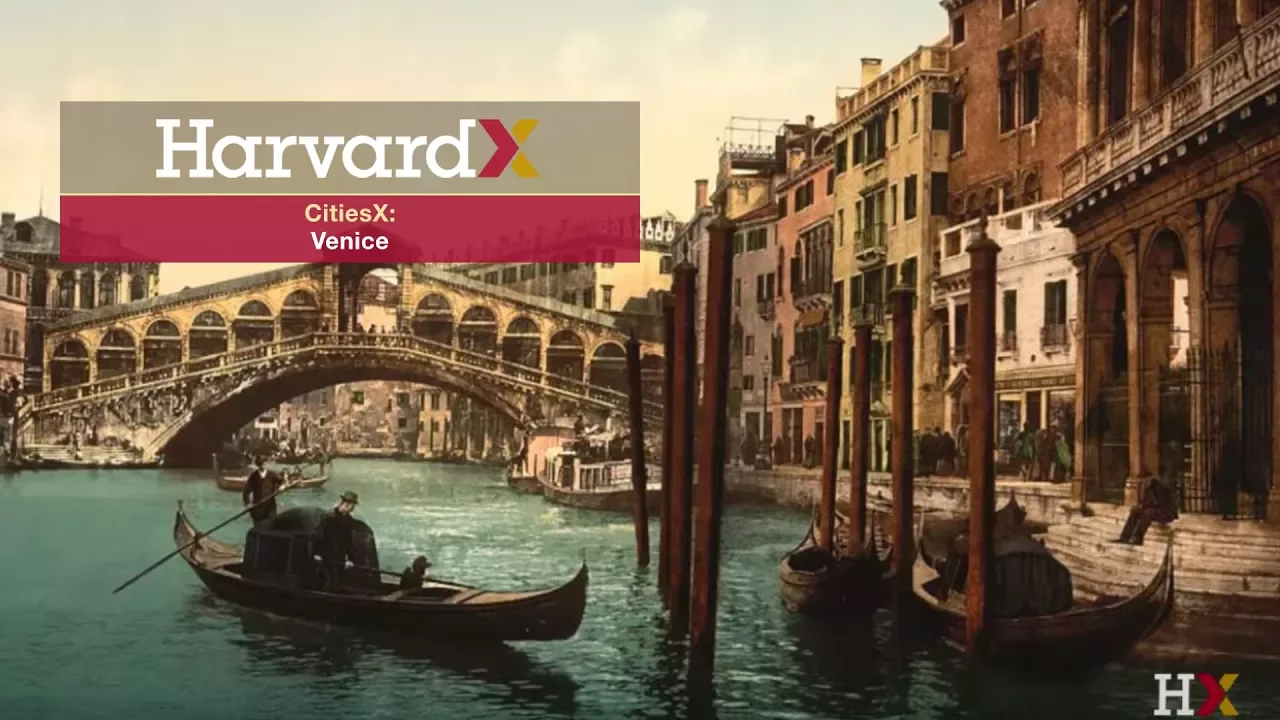
Venice
The Rise and Fall of Venice: A Historical Overview
The Current State of Venice
- Venice is described as an "urban Disneyland," characterized by its beauty but lacking economic dynamism beyond tourism.
- In 2014, the historic center hosted 2.6 million tourists while only having 60,000 permanent residents, a significant decline from past populations.
Historical Prosperity
- For six centuries, Venice was one of the wealthiest cities globally, primarily due to trade rather than conquest.
- The city's commercial success was supported by effective urban governance that maintained order and provided essential services.
Origins and Defense
- The history of Venice began in the chaotic aftermath of the Western Roman Empire's fall, with its islands providing defensible space against invaders.
- Venetians took measures to protect themselves from naval assaults by obscuring safe paths for their ships.
Political Evolution
- Initially governed by doges representing the emperor in Constantinople, Venice declared independence around 803 AD and became a free port between empires.
- The political core shifted to areas protected from attacks after Frankish invasions forced relocations within the city.
Urban Development and Infrastructure
- The current city structure is largely manmade, built on wooden poles with numerous bridges connecting marshy islands.
- Venetian political institutions were strong enough to prevent dictatorship while promoting collective action for public good. This unique governance model contributed significantly to its long-term success.
Architectural Innovations
- Early settlers constructed homes on stilts for protection against water; notable structures like Santa Maria della Salute were built atop millions of wooden poles for stability against waves.
- The Venetian Arsenal served as a massive state-run shipbuilding complex that operated on principles akin to mass production long before modern industrial practices emerged.
Governance Structure
- Unlike modern democracies or monarchies, the Venetian Republic functioned more like a commercial enterprise led by merchant families focused on increasing wealth through strategic conquests and trade expansions.
- Key undertakings included acquiring resources necessary for shipbuilding and securing protective saints for maritime ventures, exemplified by stealing Saint Mark's body for veneration in their cathedral.
Cultural Significance
- The Doge's Palace symbolizes this unique governance model; it serves not just as a residence but as an administrative hub reflecting mercantile power rather than princely glory.
The Rise and Fall of the Venetian Republic
The Governance and Power Structure
- The Venetian assembly was responsible for passing laws and electing the influential Council of Ten, a key governing body.
- Portraits of all doges are displayed in the chamber, except for Marin Falier, who attempted to overthrow the republic but ultimately failed.
Economic Foundations and Trade
- The Rialto Bridge symbolizes Venice's old harbor where galleys would unload valuable goods from the East, including spices, silk, gems, and glass.
- Some Byzantine relics were acquired through conquest rather than trade; notably during the Fourth Crusade when Venice captured Zara.
Military Actions and Papal Relations
- Venice faced excommunication from the pope for attacking Zara but continued to disregard papal authority.
- The capture of Constantinople by Venetians and crusaders marked a significant military achievement that furthered their economic interests.
Cultural Contributions and Industry Growth
- Stolen horses from Constantinople became part of Basilica di San Marco; skilled glass workers contributed to Venice's renowned glass industry.
- Scholarly refugees from Constantinople aided in establishing Aldus Manutius’s Aldine Press, which transformed Venice into a printing hub.
Conflicts with Rivals and Decline
- Throughout the 14th century, Venice engaged in fierce wars with Genoa over Eastern market access.
Turn any video into a summary like this
YouTube links, meetings, lectures — with transcripts, search, and chat.