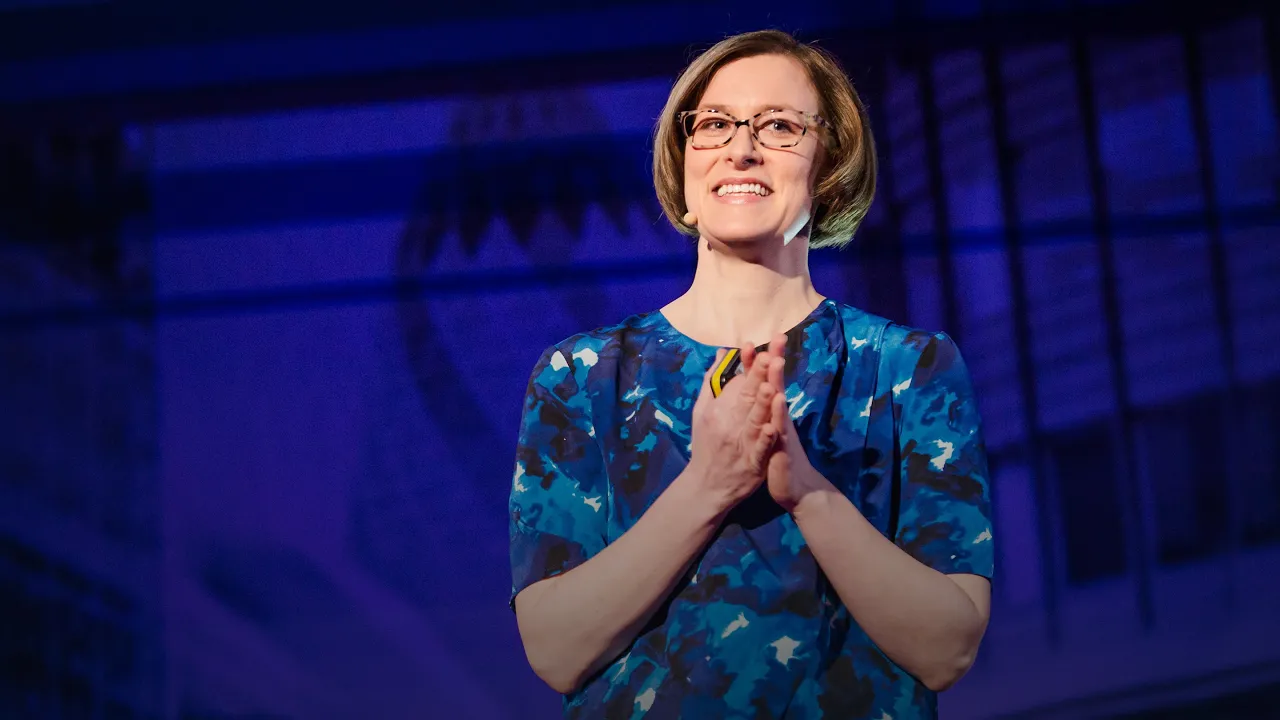
The danger of hiding who you are | Morgana Bailey
Being True to Myself
The speaker reflects on their youth as a nonconformist and how they prided themselves on being different. However, during their semester abroad in London, they realized something about themselves that led them to start conforming and hiding.
Embracing Uniqueness
- The speaker describes their younger self as a nonconformist who wasn't afraid to try weird clothing trends or hairstyles.
- They were outspoken and social, not caring about being perceived as weird or different.
A Change in Identity
- During their time in London, the speaker realized something unique about themselves that changed everything.
- They became the opposite of who they thought they once were, choosing to stay in their room instead of socializing and avoiding standing out in the crowd.
- Initially, they believed it was due to growing up and maturing rather than seeking acceptance.
The Habit of Hiding
- The speaker acknowledges that hiding is a progressive habit that becomes harder to break over time.
- Even when discussing the topic of their TED Talk with others, they made up a cover story and hid the truth about it.
Returning to Face Fears
- After 16 years, the speaker has returned to London and chosen this stage to finally stop hiding.
- They reflect on what they have been hiding for all these years.
Coming Out as a Lesbian
The speaker reveals their true identity as a lesbian after struggling with saying those words for fear of being defined solely by their sexual orientation. They emphasize wanting to be known as Morgana without any labels attached.
Overcoming Fear of Acceptance
- The speaker shares their struggle with coming out due to fear of not being accepted.
- They express the desire to be known for who they are beyond just their sexual orientation.
Personal Stress and Social Stigmas
- The speaker highlights the deadly combination of personal stress and social stigmas faced by LGBTQ+ individuals.
- They mention a study that found higher rates of heart disease, violence, and suicide among gay individuals in anti-gay communities.
Unintentional Contribution to Discrimination
- The speaker realizes that their choice to hide their true identity may have inadvertently contributed to an environment of discrimination.
- They share a personal anecdote about missing an opportunity to change discriminatory legislation in their home state due to not being honest about who they are.
Lack of Advocacy for Diversity
- Despite working in human resources, a profession that advocates for diversity and inclusion, the speaker admits to doing nothing to advocate for diversity themselves.
- They express regret over not taking advantage of opportunities within their workplace to come out and make a difference.
The Impact of Hiding
The speaker discusses the impact of hiding one's true identity on both personal well-being and society as a whole. They highlight statistics showing how many people hide aspects of their identity and the negative consequences it can have.
Widespread Hiding
- A Deloitte study found that 61% of employees surveyed reported changing aspects of themselves to fit in at work.
- Among gay, lesbian, and bisexual employees, 83% admitted to changing some aspects so as not to appear "too gay."
Conformity in the Workplace
- Even companies with diversity policies struggle with employees feeling the need to conform for long-term career advancement.
- The speaker expresses surprise at how many people waste energy trying to hide themselves.
Life-or-death Consequences
- The speaker discovers that their silence has life-or-death consequences and long-term social repercussions.
- They mention a shocking statistic: gay, lesbian, and bisexual people in highly anti-gay communities have a reduced life expectancy by twelve years compared to accepting communities.
Ripple Effect of Hiding
- The speaker realizes that their choice to hide may have inadvertently contributed to an atmosphere of discrimination.
- They acknowledge the potential impact their story could have had if they had shared it earlier and helped change someone's perspective or vote.
Missed Opportunities for Change
The speaker reflects on missed opportunities to make a difference by not being open about their identity. They express regret over not advocating for diversity and inclusion, particularly in their workplace.
Silence and Its Consequences
- The speaker shares a personal anecdote about missing an opportunity to change discriminatory legislation in Kansas due to not being honest about who they are.
- They question how their friend and her father, who voted in favor of the discriminatory bill, feel about LGBTQ+ individuals since they were never honest with them.
Lack of Advocacy
- The speaker acknowledges that despite working in human resources, they have done nothing to advocate for diversity themselves.
- They express disappointment in themselves for not taking advantage of opportunities within their company to come out and make a difference.
New Section
The speaker reflects on a quote from Toni Morrison's book and the importance of exploring oneself in order to overcome fears and insecurities.
Reflection on London Semester Abroad
- The speaker came across a modified quote from Toni Morrison's book, "Paradise," in their London journal and scrapbook from 16 years ago.
- The quote states, "There are more scary things inside than outside."
- The speaker wrote a note to themselves at the bottom, reminding them to remember this message.
Importance of Self-Exploration
- The speaker realizes that they were trying to encourage themselves to explore London but missed the deeper message of exploring and embracing oneself.
- They now understand that their own fears and insecurities are the biggest obstacles they will ever have to overcome.
- By facing their fears internally, they believe they can bring about change in their external reality.
Coming Out and Making a Difference
- The speaker made a choice to reveal a part of themselves that they had hidden for too long.
- They express hope that by coming out, they can inspire others who feel different to be true to themselves.
- Their goal is to create positive change both personally and professionally for individuals who may feel marginalized or unfulfilled.
Timestamps provided are approximate.
Turn any video into a summary like this
YouTube links, meetings, lectures. With transcripts, search, and chat.