LOS PLANOS FOTOGRÁFICOS
Introduction to Photography Composition
Overview of Plans in Photography
- Jenniffer González introduces the topic of photography composition and plans, emphasizing the importance of understanding different shot sizes.
- The discussion begins with the general plan, which provides context by showing where the character is located within a scene.
Types of Plans
- The full shot captures the entire body of a character, leaving some space above their head and below their feet.
- The American shot cuts off just above the knees, commonly used in Western films to display characters' weapons.
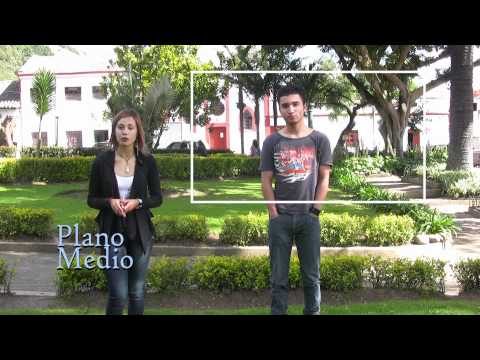
- The medium shot frames a character from above the navel, allowing viewers to see both the character and their attitude effectively.
- The close-up is often used in portraits for its expressiveness, focusing on emotions by framing around the shoulders.
- The extreme close-up highlights specific features like eyes or facial expressions, enhancing emotional connection.
Key Composition Rules
Important Guidelines for Effective Photography
- The Rule of Thirds involves dividing an image into three columns and rows; placing elements at intersections creates balance and professionalism.
- The Rule of Look states that subjects should have more space in front of their gaze to create a natural feel in photographs.
- The Horizon Line Rule suggests drawing two horizontal lines across an image to form equal sections, aiding in balanced composition.