The Psychology of the Self
Understanding the Development of Self in Psychology
The Concept of Self
- John Jay discusses how the self becomes aware through practical actions and recognizes itself among other classes, emphasizing its objectivity.
- Gianni's perspective on the self as a cognitive construct highlights children's development and their understanding of the world around them.
Cognitive Development Stages
Schema and Adaptation
- John D. emphasizes "schema" as mental organizations formed from experiences from womb to adolescence, crucial for understanding cognitive development.
- Adaptation involves two processes: assimilation (integrating new information with existing knowledge) and accommodation (modifying understanding based on new information).
Stages of Cognitive Development
- The sensory motor stage (birth to 2 years): Children experience the world through senses; key developments include object permanence and stranger anxiety.
- Pre-operational stage (2 to 6 years): Children represent experiences with words/images; they engage in pretend play but may struggle with language articulation.
Concrete Operational Stage
- Concrete operational stage (7 to 11 years): Logical thinking about concrete events develops; children grasp conservation and basic mathematical transformations.
Formal Operational Stage
- Formal operational stage (12+ years): Individuals can think abstractly, reason logically, and develop complex ideas about themselves and their aspirations.
Theories of Self-Acceptance
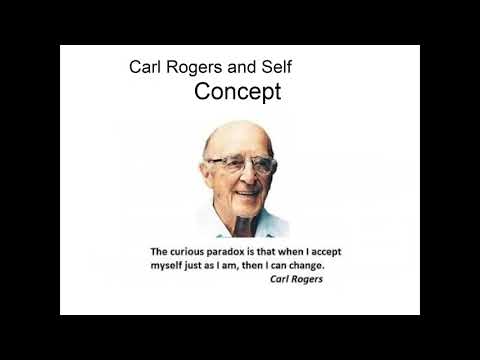
Carl Rogers' Paradox
- Rogers states that accepting oneself is essential for change; without self-awareness, individuals cannot identify areas for improvement.
Ideal vs. Real Self
- The ideal self represents who one wants to be influenced by personal values and societal expectations, while the real self reflects one's actual state.
Personality Traits According to Allport
Types of Traits
- Allport categorizes traits into cardinal traits (defining characteristics), central traits (building blocks of behavior), and secondary traits (situational responses).
Nature vs. Nurture Debate
- Discussion on how genetic makeup (nature) interacts with environmental influences (nurture), shaping personality development throughout life.
Transactional Analysis by Eric Berne
Ego States
- Berne identifies three ego states: Parent (authority voice), Adult (rational aspect), Child (playful/vulnerable nature). Each person exhibits a dominant state influencing interactions.
Importance of Studying Psychology
- Psychology explores human behavior, feelings, thoughts, and differences in responses among individuals in similar situations. It aims to understand brain function, memory organization, social interactions, and child learning processes.
Reflection Activity Assignment
- An assignment encourages students to reflect on philosophical perspectives regarding identity using significant life events as a basis for defining themselves creatively through infographics or illustrations.