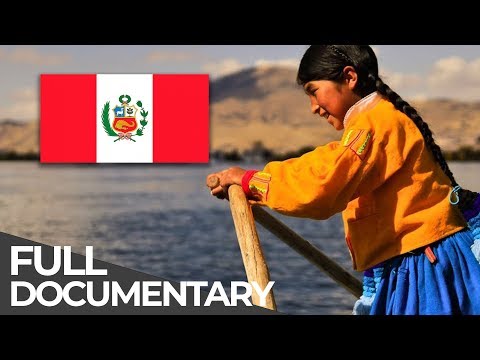
Most Dangerous Ways To School | PERU | Free Documentary
The World's Most Dangerous Ways to School
Introduction to Lake Titicaca and Uru Culture
- The documentary introduces the unique challenges faced by children traveling to school across Lake Titicaca, emphasizing the beauty and danger of their journey.
- Children paddle for hours daily, navigating through reeds and battling nature in pursuit of education.
Daily Life of Uru Children
- At dawn, nine-year-old Mariella and her sister Belinda prepare for school while their parents are busy with fishing. They wear traditional uniforms and braid their hair as per cultural customs.
- Four-year-old Harold also prepares for kindergarten, showcasing the importance of early education in Uru culture.
Vidal's Journey Across the Lake
- Eleven-year-old Vidal lives on a small island and begins his day by checking fishing nets before embarking on a two-hour boat ride to school. His boat is made from reeds, reflecting traditional Uru craftsmanship.
- Fishing is vital for sustenance; Vidal expresses joy when he catches fish that can be traded or eaten by his family.
Challenges Faced During Travel
- As he paddles alone across Lake Titicaca, Vidal's mother worries about his safety amidst vast waters. Despite this, he remains determined to study hard for a better future.
- The physical demands of rowing require careful rationing of strength; even at 11 years old, this journey tests his limits daily.
Mariella's Route to School
- Mariella rows with her sister Belinda towards their private primary school, facing fears about falling into the water during their journey through busy waterways filled with traffic from larger boats.
- She recalls learning how to row at an early age from her mother, highlighting the skills necessary for survival in their environment.
Cultural Significance of Education
- Both children express aspirations tied to education: Mariella dreams of studying medicine while Vidal aims to become an engineer—showcasing how education is viewed as a pathway out of poverty within Uru culture.
Community Support Among Children
- Older children like Mariella often help younger ones like Harold navigate safely through busy channels—a reflection of community support among families living on floating islands.
Learning Environment at School
- Upon arrival at school after long journeys, students engage in various subjects including math and Spanish; teachers face challenges due to students arriving tired from travel without proper breakfast or rest beforehand.
Conclusion: The Importance of Resilience
- Despite numerous obstacles—including harsh weather conditions—the determination shown by these children illustrates resilience and hope for a brighter future through education amidst challenging circumstances on Lake Titicaca.