Michael Pritchard: How to make filthy water drinkable
The Lifesaver Bottle: A Solution to Water Crisis
Introduction to the Water Crisis
- The speaker opens by discussing the importance of safe drinking water, highlighting that if it were contaminated, many would suffer from diarrhea.
- Emphasizes the overwhelming scale of the global water crisis, which leads to apathy among individuals and organizations.
Personal Motivation Behind Innovation
- The speaker shares a personal story about witnessing the aftermath of natural disasters like the Asian tsunami and Hurricane Katrina, which fueled his desire to create a solution.
- Describes how inadequate responses during crises motivated him to invent a practical tool for clean water access.
The Science of Lifesaver Bottle
- Introduces the Lifesaver bottle as an innovative solution capable of filtering out harmful bacteria and viruses due to its unique pore size (15 nanometers).
- Explains that traditional filters allow bacteria through while Lifesaver's technology ensures complete filtration.
Demonstration of Effectiveness
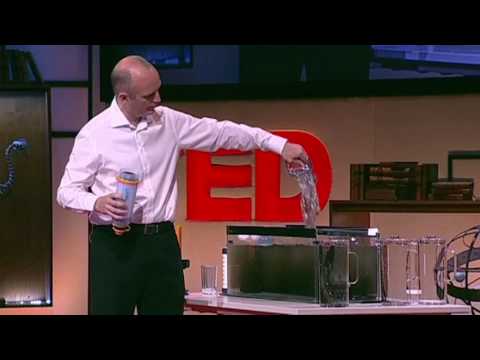
- Conducts a live demonstration using contaminated water from local sources mixed with various pollutants.
- Shows how easy it is to use the Lifesaver bottle; after pumping, sterile drinking water is produced instantly.
Impact and Applications
- Highlights that thousands are using Lifesaver bottles globally, each capable of filtering 6,000 liters before needing replacement.
- Discusses traditional methods in crisis situations where people congregate in camps for water distribution, leading to disease spread. Advocates for individual solutions like Lifesaver bottles instead.
Rethinking Water Distribution Strategies
- Proposes a shift from shipping bottled water during crises to empowering individuals with tools like Lifesaver bottles for self-sufficiency.
Access to Safe Drinking Water: A Global Challenge
The Importance of Local Water Sources
- By innovating water processing methods at the point of use, communities can significantly reduce the time spent collecting water. Mothers and children no longer need to walk four hours daily for this essential resource.
- With an investment of just eight billion dollars, it is feasible to achieve the Millennium Development Goal of halving the number of people lacking access to safe drinking water.
Financial Context and Broader Implications
- To provide a broader context, the U.K. government allocates approximately 12 billion pounds annually for foreign aid, highlighting that additional funding could yield substantial benefits in global health.
Turn any video into a summary like this
YouTube links, meetings, lectures. With transcripts, search, and chat.