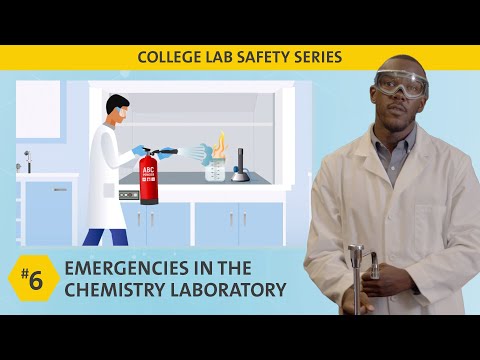
Emergencies in the Chemistry Laboratory | ACS College Safety Video #6
Lab Safety: Emergency Preparedness and Response
Introduction to PPE and Lab Safety
- The personal protective equipment (PPE) used by actors in the video was chosen based on a risk assessment of chemicals involved in the experiment.
- The video focuses on methods for handling lab emergencies, assuming viewers have completed the first three steps of RAMP: recognize hazards, assess risks, and minimize risks.
Common Causes of Lab Emergencies
- Emergencies often arise from either known unsafe practices or ignorance of safety protocols; both scenarios are preventable with proper adherence to RAMP.
- Equipment failures or unexpected power outages can also lead to emergencies, emphasizing the need for preparedness.
Types of Lab Emergencies
Broken Glass
- While not typically classified as an emergency, broken glass poses sharp edge hazards. Isolate the area and inform your instructor for assistance.
- Clean up broken glass using a brush and dustpan; dispose of it in designated containers rather than regular waste bins.
Chemical Spills on People
- If exposed to hazardous chemicals, use an eye wash station immediately if chemicals contact your eyes; rinse for at least 15 minutes.
- For spills on skin, flush with water at a sink or safety shower; remove contaminated clothing if necessary.
Chemical Spills in the Lab
- Liquid spills can create slip hazards. Notify your instructor immediately; they will manage cleanup using spill kits.
- If trained, you may isolate spills by surrounding them with absorbent materials while ensuring others are informed.
Fire Safety in Labs
Understanding Fire Risks
- Fires are rare but pose significant risks when they occur. Prevention is key alongside preparation for response.
- The fire triangle consists of fuel sources (flammable substances), oxidizing agents (like oxygen), and ignition sources (flames or sparks).
Responding to Fires
- Small fires can be extinguished by covering them with a watch glass or large beaker to deprive them of oxygen.
- Larger fires require ABC-type fire extinguishers. Familiarize yourself with the PASS technique: Pull the pin, Aim at the base, Squeeze handle, Sweep along base.
Conclusion on Emergency Protocol Awareness
Emergency Preparedness in the Lab
Importance of Emergency Procedures
- In rare situations, lab evacuation may be necessary. If safe, turn off electrical equipment and gas burners, close the sash when working in a hood, and exit the lab promptly.
- Effective emergency response requires prior training and practice to ensure safety during mishaps. Many scientists have experienced lab accidents firsthand.
RAMP Steps for Safety
- Following the RAMP (Recognize, Assess, Minimize, Prepare) steps is crucial for minimizing harm to individuals and property during emergencies.
Turn any video into a summary like this
YouTube links, meetings, lectures — with transcripts, search, and chat.