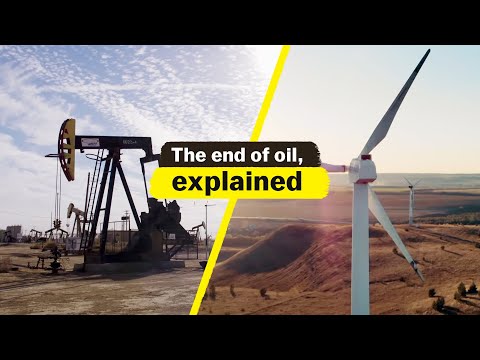
The End of Oil, Explained | FULL EPISODE | Vox + Netflix
The Historical Context of Oil and Climate Change
Early Discoveries and Predictions
- In 1856, scientist Eunice Foote conducted an experiment showing that carbon dioxide traps heat more effectively than regular air, predicting a warmer Earth.
- Edward Teller warned in 1965 about the greenhouse effect from fossil fuels potentially melting ice caps and submerging cities like New York.
- By 1988, Exxon’s scientists were making grim predictions about climate change as carbon emissions continued to rise.
Dependency on Fossil Fuels
- Industrial nations have developed a significant dependency on oil, which has paradoxically become both a source of freedom and a threat to civilization's future.
- The narrative of oil is intertwined with geopolitical conflicts, technological advancements, and economic inequalities.
The Impact of Oil Discovery in Nigeria
Initial Optimism
- Before oil discovery, Nigeria was primarily agricultural; the discovery in 1956 raised hopes for economic improvement among locals.
- Following independence, Nigerians anticipated that oil wealth would enhance their living conditions and employment opportunities.
Disillusionment Post-Independence
- Instead of prosperity, the resource curse emerged where countries rich in resources often face economic turmoil due to mismanagement and corruption.
- Corruption within Nigeria's National Petroleum Corporation has led to billions disappearing since independence while environmental degradation worsened.
Environmental Consequences and Climate Change
Deteriorating Conditions
- Over decades, oil spills have created toxic environments in the Niger Delta region affecting local communities' health and livelihoods.
- Climate change exacerbates existing vulnerabilities; developing countries bear the brunt despite being less responsible for historical emissions.
Global Emission Trends
- Current global emissions are at an all-time high; achieving net-zero by 2050 is critical yet challenging given rising emissions from developing nations.
Transitioning Towards Sustainable Energy Solutions
Technological Advancements
- Innovations such as wind and solar power are becoming cheaper alternatives to fossil fuels; however, comprehensive solutions require further development.
- Many governments are implementing carbon pricing strategies to reduce reliance on fossil fuels while investing in renewable energy technologies.
Challenges Ahead
- Developing nations face immense pressure to transition away from fossil fuels without compromising their growth or energy access needs.
The Need for Global Cooperation
Financial Support for Transition
- Wealthy nations pledged financial support through initiatives like the Green Climate Fund but have fallen short significantly in actual contributions.
Addressing Inequities
- There exists hypocrisy when developed countries push for clean energy transitions while continuing investments in fossil fuel projects abroad.
Future Perspectives on Energy Systems
A Call for Fairness
- Countries historically responsible for high emissions must lead efforts towards sustainable practices while supporting developing nations’ transitions.
Vision for Tomorrow
- Achieving universal access to energy alongside climate goals requires collaboration across borders; envisioning a new equitable system is essential.