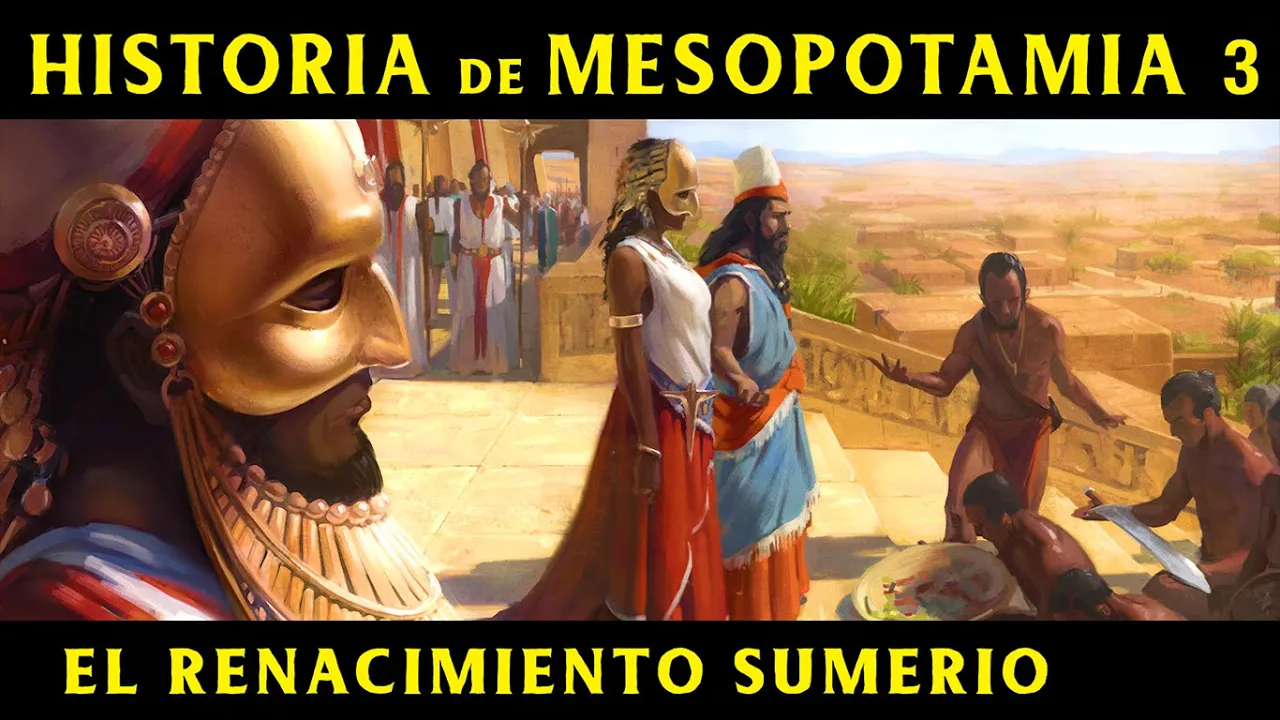
MESOPOTAMIA 3: El Renacimiento Sumerio y la III Dinastía de Ur (Documental Historia)
The Rise of Sumerian Civilization
The transcript delves into the resurgence of Sumerian civilization between 2193 and 1763 BC, highlighting key events and figures that shaped this period.
Lagash: A Center of Power
- Guti tribes settled in northern Mesopotamia, allowing Sumerian states to regain independence.
- Ensi rulers like Urbaba and Gudea contributed to the supremacy of Lagash through peaceful endeavors.
- Gudea's focus on construction, including temples and statues, enhanced Lagash's prominence without engaging in warfare.
Sumerian Expansion and Diplomacy
This section explores Sumer's diplomatic relations with neighboring regions and its economic prosperity during the reign of Ur-Nammu.
Diplomatic Relations
- Trade flourished with regions like Magan, the Indus Valley, and Mediterranean lands.
- Conflict with Gutians led to their expulsion by Ensi Utu-Hegal of Uruk through a coalition effort.
Ur-Nammu's Reign and Achievements
Ur-Nammu's rule marked a period of splendor in Mesopotamia characterized by infrastructure development and legal reforms.
Ur-Nammu's Legacy
- Centralized governance under Ur-Nammu revitalized trade routes and infrastructure.
- Urban development in Ur saw the construction of ziggurats dedicated to deities like Nanna.
Legal System and Social Structure
The establishment of a legal code under Ur-Nammu brought about social divisions based on class structure within Sumerian society.
Legal Code Implementation
- The Code of Ur-Nammu standardized jurisprudence, emphasizing financial compensation over physical punishment.
The Rise of Amorites in Mesopotamia
This section discusses the rise of the Amorites in Mesopotamia, focusing on key figures and dynasties that shaped the region's history.
Ishbi-Erra's Rebellion
- Ishbi-Erra, governor of Mari, rebelled against Ur with Nippur and Isin's support, establishing his own dynasty, the Isin.
Division of Power
- The rule of the 3rd Dynasty of Ur split into two as Ishbi-Erra founded his dynasty in Isin.
Competition Among Powers
- Isin and Larsa emerged as significant powers, leading to cultural stagnation and Amorite influence in conquered cities.
Babylonian Dynasties and Empires
This section delves into the establishment of Babylonian dynasties and empires by various rulers.
Amorite Influence
- The 1st Amorite dynasty in Babylon began with Samu-Abum around 1894 BC, growing stronger over a century through alliances and conquests.
Rise of Hammurabi
- Hammurabi from the 6th Dynasty of Babylon thwarted Rim-Sin's ambitions, conquering Mesopotamia to form the first Babylonian Empire.
Expansion and Legacy
The expansion of kingdoms and empires across Mesopotamia is discussed along with future developments.
Assyrian Kingdom Formation