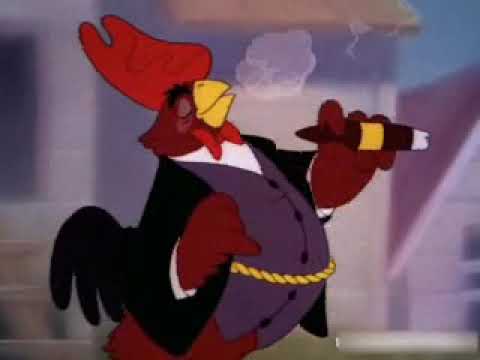
Chicken Little
Wartime Parable: The Dark Side of Chicken Little
Introduction to the Cartoon's Theme
- The animated version of "Chicken Little" by Walt Disney is not a light-hearted tale but a wartime parable about the dangers of listening to rumors and being manipulated by persuasive leaders with ulterior motives.
- Originally, there were plans to include explicit Nazi imagery, such as Foxy Lockxy reading Adolf Hitler's book "Mein Kampf," but this was ultimately downplayed to avoid overt references.
Characters and Setting
- The story unfolds in a cozy farmyard featuring characters like Cocky Locky (the headman), Henny Penny, Turkey Lurkey, and Chicken Little, who are depicted as busybodies more interested in gossip than their own affairs.
- Each character represents different societal roles; for instance, Turkey Lurkey discusses world problems while Ducky Lucky and Goosey are portrayed as carefree drinkers.
The Plot Unfolds
- Foxy Lockxy enters the scene with malicious intent towards the chickens, hinting at his culinary interest in them. His approach suggests he has alternative methods to achieve his goals rather than direct confrontation.
- Foxy Lockxy employs psychological tactics aimed at influencing the least intelligent members of society—specifically targeting characters like Chicken Little.
Manipulation and Fear
- A pivotal moment occurs when Foxy Lockxy spreads panic by claiming that "the sky is falling," which leads to chaos among the chickens as they react fearfully.
- This manipulation escalates into hysteria as characters rush around screaming about impending doom, showcasing how easily fear can spread through misinformation.
Consequences of Misinformation
- As panic ensues over what turns out to be just a piece of wood hitting Chicken Little on the head, it highlights how misinformation can lead to irrational behavior and decisions.
- Cocky Locky's authoritative stance raises questions about leadership during crises; he attempts to dictate actions based on fear rather than rational thought.
Social Commentary
- The narrative critiques how whispers and rumors can undermine trust in leaders while also illustrating how flattery can elevate insignificant individuals into positions of perceived authority.
- Ultimately, the cartoon serves as a cautionary tale about blind following and emphasizes critical thinking amidst chaos.