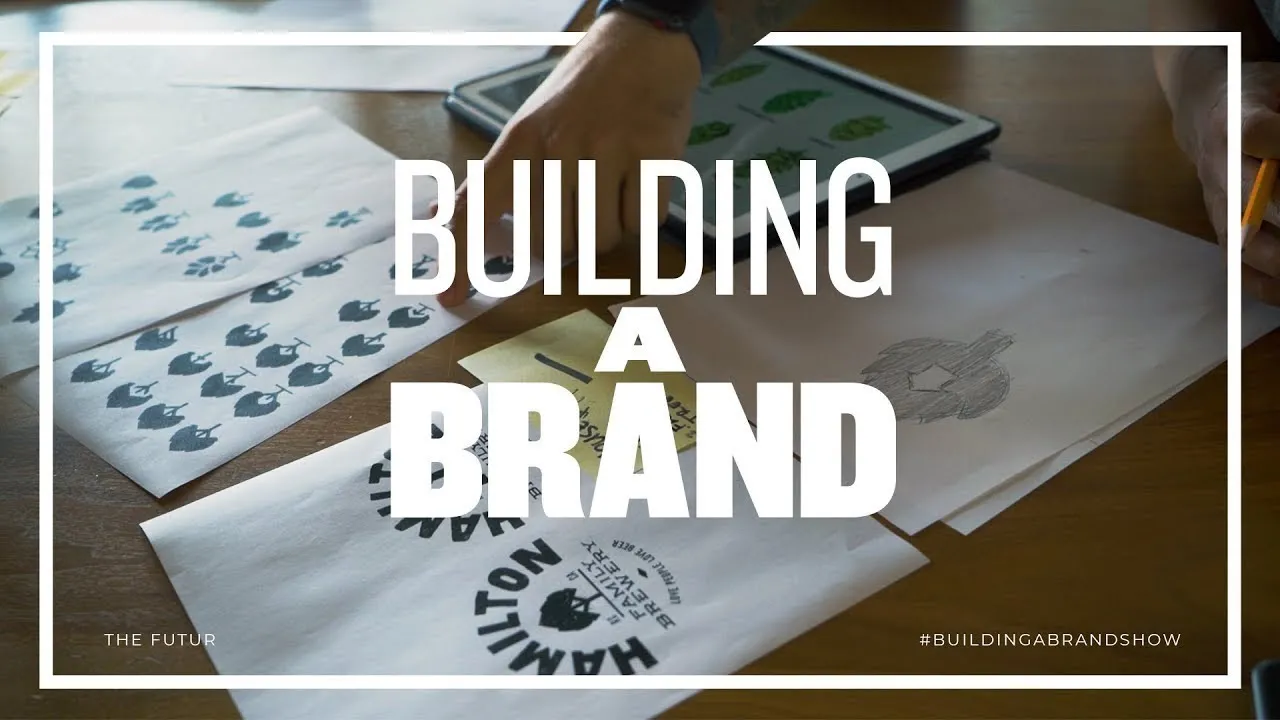
When Clients Change Their Mind – Building A Brand Ep. 7
New Section
The speaker discusses the uneasiness felt before understanding reasons behind decisions and judgments.
Understanding Reasons
- Until reasons are known, there is a sense of unease and uncertainty.
- Hyper-criticism and judgment can lead to withholding judgment until reasons are revealed.
- Importance of knowing the reason behind actions to avoid misunderstandings and misinterpretations.
Building a Brand with Blind
Introduction to Blind, a brand strategy design consultancy, and their approach to helping clients stand out in the marketplace.
Brand Strategy by Blind
- Blind is a design consultancy based in Santa Monica since 1995.
- Utilizes design power to assist clients in reaching customers effectively.
- Offers insights into rebranding processes for companies from start to finish.
Design Process at Hamilton Brewery
Details the logo creation process for Hamilton Brewery by designers at Blind.
Logo Creation Process
- Designers Emily, Min, Richie work on creating logos for Hamilton Brewery.
- Focus on typography, mark identification, and DIY aesthetic alignment.
- Collaboration with clients for feedback and refinement of logo designs.
Client Feedback and Revision
Discussion on client feedback, designer-client collaboration, and refining logo designs based on inputs.
Client Collaboration
- Unexpected client feedback leads to revisions in logo designs.
- Client involvement in the design process signifies respect for their ideas.
- Balancing client input with design expertise for effective collaboration.
Infusing Meaning into Logos
Exploring the balance between creating identifiable logos versus incorporating meaningful elements into designs.
Logo Significance
- Debate on logos' purpose: identification versus explanation.
- Incorporating unique business history subtly into logo designs.
- Creating strong marks with hidden meanings adds depth to branding.
Challenges Faced with Time Constraints
Addressing time constraints, project changes, and financial considerations impacting the design process.
Time Management Challenges
New Section
In this section, the speaker reflects on the challenges faced in the creative process and the frustration of potentially backtracking after significant progress.
Reflection on Creative Process
- The team excels when faced with challenging tasks that require creative problem-solving.
- Avoiding common design elements like icons or illustrations to maintain uniqueness poses a challenge.
- Frustration arises from the possibility of starting over despite being close to completion due to feedback on specific design elements.
Exploring Logo Elements
This part focuses on analyzing different components of the logo design and seeking a balance between maintaining brand identity and incorporating new elements.
Analyzing Logo Components
- Discussion on incorporating a marker icon for brand identification while preserving familiarity with previous branding elements.
- Feedback on refining the tree shape within the logo for better visual appeal and alignment with brand storytelling.
- Exploring unique emblem designs and considering sharing them with the design team for further refinement.
Decision-making Process
Deliberations around finalizing logo options, understanding client preferences, and ensuring consistency across various applications.
Finalizing Logo Design
- Evaluating options between legacy brand elements like the tree and proposed monogram designs for brand representation.
- Seeking clarity on preferred design direction while addressing concerns about visual refinement and brand coherence.
- Emphasizing the importance of rationale behind design choices to ensure engagement and alignment with brand objectives.
Client Feedback Interpretation
Interpreting client feedback, aligning internal perspectives, and preparing for further iterations based on client expectations.
Client Feedback Alignment
- Reflecting on evolving perceptions towards original branding elements based on client feedback nuances.
- Appreciating legacy brand components like the tree as they symbolize continuity amidst design transitions.
New Section
In this section, the discussion revolves around exploring different shapes for hops in a logo design and addressing gaps in the current design.
Exploring Shapes for Hops
- The team discusses breaking the mold by incorporating more shapes of hops into the logo design. They reference various forms of hops and find them visually interesting.
- Concerns are raised about unresolved gaps in the current logo design, with a focus on maintaining the essence of a hop while also considering its flowery aspects.
- Emphasis is placed on ensuring that the logo conveys a clear representation of a hop to viewers, even if they might perceive it as a flower initially. Different configurations are explored to enhance the visual impact.
Incorporating Tree Element
- The idea of integrating a tree element into the logo is discussed, aiming to symbolize growth and nature associated with a beer company. Various design iterations are considered to achieve this incorporation effectively.
- A suggestion is made to modify the stem size of the hop shape to resemble a tree better. By adjusting proportions and adding subtle details like a chimney, a cohesive representation is achieved.
New Section
This section focuses on refining the logo design further by balancing elements such as stem width and overall symmetry.
Refining Logo Design
- The team explores enhancing the thickness of the stem while maintaining its pointed shape, creating an illusion of a tree within the hop structure. This approach adds depth and symbolism to the design.
- Considerations are made regarding managing the total width of the logo to ensure visual harmony. Adjustments may be needed to optimize spacing and maintain balance across different sizes.
Describing the Logo Design Process
In this section, the process of designing a logo for a family brewery is discussed. The central icon holding everything together is highlighted, along with variations in messaging and design elements to cater to different needs.
Design Elements and Variations
- The full logo represents the family brewery theme and can be used when space allows for it.
- A secondary mark offers flexibility in messaging, allowing for variations like limited editions or specific themes.
- Combining messaging and overlays creates an industrial heritage feel, showcasing versatility in design applications.
Exploration and Balancing Act
This part delves into the exploration process of finding the right balance between design elements like the house, hop, and tree within the logo. It emphasizes the importance of proportion and clarity in conveying multiple aspects effectively.
Finding Balance in Design Elements
- Extensive exploration was conducted to ensure that the logo works well in small spaces while communicating all essential elements clearly.
- Balancing act involved avoiding losing key elements like the house or hop by adjusting proportions carefully.
- The final design was chosen based on its ability to maintain a harmonious balance among all three crucial components - house, hop, and tree.
Client Collaboration and Presentation Success
This segment focuses on client collaboration dynamics during presentations. It highlights the importance of thorough exploration to justify design decisions effectively.
Client Interaction and Presentation Impact
- Collaborative clients like Josh require exhaustive exploration to reach conclusive decisions during presentations.
- Documenting the design journey helps in justifying choices made throughout the process, ensuring clients feel involved.
- Successful presentations lead to moments of realization for clients, signified by their positive reactions towards finalized designs.
Looking Ahead: Web Design Challenges
Previewing future challenges related to web design for the brewery's website. Emphasizes creating a unique yet user-friendly platform that aligns with client needs.
Future Web Design Considerations
- Next project involves designing a website that tells the brewery's story while being easily maintainable by clients themselves.