How Leeches are used in Modern Surgery | Earth Science
The Modern Use of Leeches in Surgery
Historical Context and Surgical Application
- Leeches have been utilized for thousands of years to treat various ailments, including skin diseases and fevers, although their effectiveness is questionable.
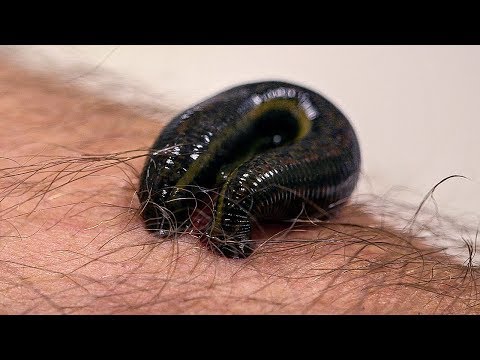
- In contemporary medicine, leeches are being used as surgical assistants, particularly by reconstructive surgeons like Ian Whitaker.
Specific Uses in Reconstructive Surgery
- Leeches are primarily applied on extremities such as fingers, noses, or ears during reattachment surgeries.
- The process involves micro-surgery where blood flow is restored through arteries; however, managing venous blood flow remains challenging.
Mechanism of Action
- Leeches can consume a predictable amount of blood and promote bleeding after removal, which aids in surgical recovery.
- A leech's feeding mechanism involves cutting through the skin with its mouth to access blood vessels.
Feeding Process and Biological Insights
- The rhythmic contraction of a leech’s muscles allows it to suck blood efficiently through a process called peristalsis.
- Leech saliva contains potent anticoagulants that prevent clotting, enabling prolonged feeding—typically lasting around 12 hours.