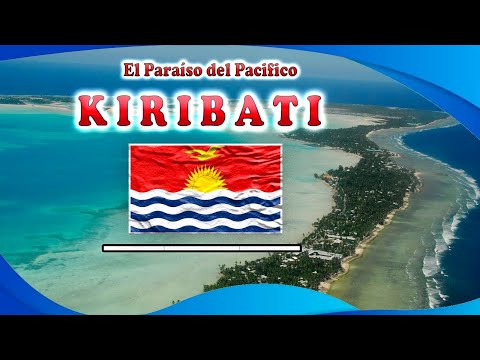
🇰🇮 KIRIBATI 🇰🇮 La NACION que YA NO EXISTIRÁ 🇰🇮"
Kiribati: A Nation at Risk
Overview of Kiribati
- Kiribati is located north of Australia, covering approximately 3.5 million square kilometers, comparable in size to India. It consists of 33 atolls and one volcanic island, forming an archipelago surrounded by water.
- Discovered by Magellan in the 16th century, Kiribati was under Spanish control until the 19th century and later became part of the British Empire before gaining independence in 1979.
- The majority of the population resides on Tarawa Island, with over 50,000 inhabitants, leading to a geographical concentration similar to that of Tokyo or Hong Kong.
Cultural Aspects
- Traditional music and dance in Kiribati feature percussion and guitar, with performances often involving dancers dressed as birds.
- Elaborate costumes made from coconut leaves are worn during traditional celebrations known as "amados" and "balava," showcasing the rich cultural heritage.
Climate Change Threat
- Rising sea levels due to climate change pose a significant threat to Kiribati's existence; much of its land is less than two meters above sea level.
- The government has begun purchasing land in other countries as a contingency plan for potential environmental disasters.
Geographic Characteristics
- Kiribati is recognized as the first country to experience sunrise each year; it has only about 811 square kilometers of land despite its vast maritime territory.
- Out of the 33 islands that make up Kiribati, only 20 are inhabited.
Legal and Social Issues
- The cuisine primarily features seafood with Western influences; however, alcohol is banned on some islands along with drugs and weapons.
- Tap water is unsafe for human consumption due to harmful microorganisms; pets can only be imported from Australia, Fiji, or New Zealand.
Language and Governance
- Although English is an official language in Kiribati, few people speak it fluently; locals prefer their native language (Kirbati).