Efectos de obras lineales | 10/16 | UPV
Introduction to Linear Works
In this section, the speaker introduces the concept of linear works and discusses their impact on the environment, focusing on physical effects, fauna, ecosystems, and landscapes.
Effects on the Physical Environment
- Linear works alter the climate by affecting microclimates due to vegetation removal and increased asphalt reflectance. They also create wind corridors that can impact local climates.
- Geologically, linear works can lead to erosion and slope instability, necessitating measures like slope stabilization and revegetation.
- Atmospheric impacts include soil contamination from pollutants like carbon oxides and heavy metals, affecting soils, vegetation, fauna, and humans.
- Linear works contribute to noise pollution from vehicle traffic. Maintenance practices like salting roads in mountainous areas can lead to soil salinization.
Fauna Impact
- Linear works pose a barrier effect on wildlife populations by physically obstructing movement between habitats. This barrier affects migratory species and those with predetermined routes.
- Measures such as wildlife crossings aim to mitigate these barriers for fauna movement across linear infrastructures.
Environmental Impacts of Linear Works
This section delves into mitigating environmental impacts of linear works by adapting to local morphology and addressing factors like climate alterations, contaminants, acoustic pollution, salinization, hydrology, and runoff management.
Mitigating Environmental Impacts
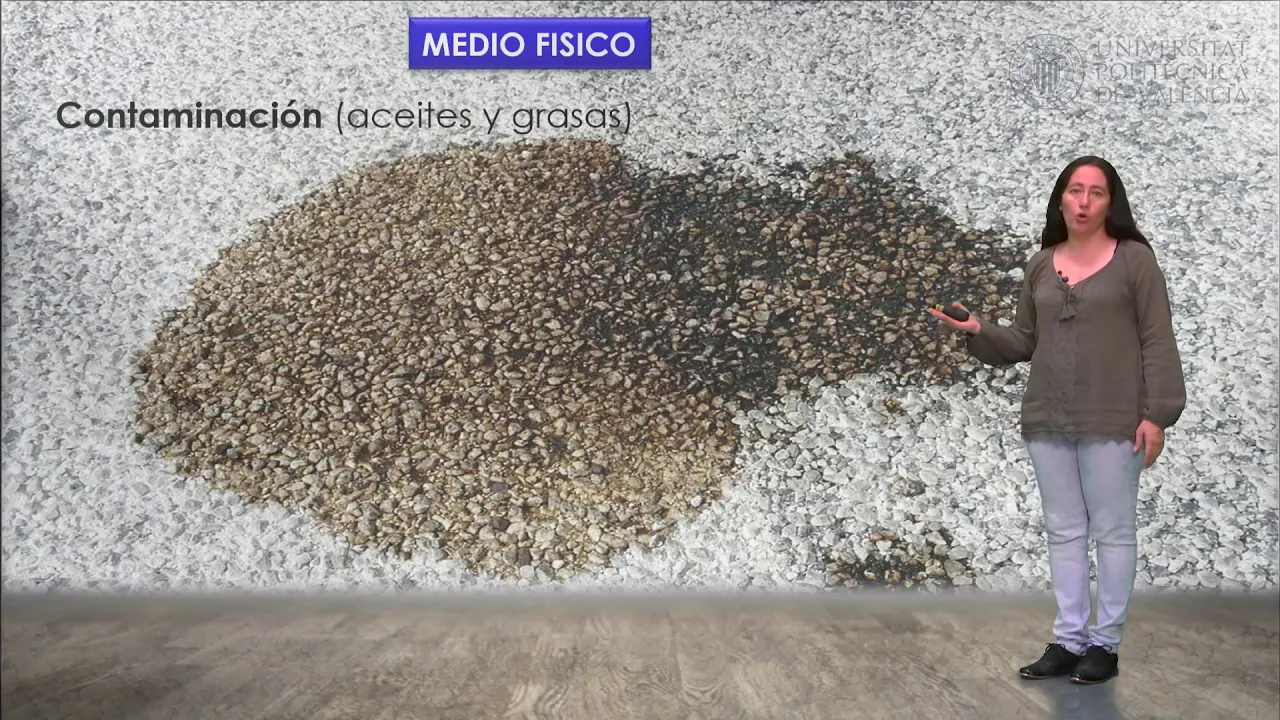
- Mitigation strategies focus on adapting to local conditions regarding climate alterations (microclimate changes), atmospheric contaminants (air pollution), acoustic pollution (noise), salinization issues (soil salt content), oil spills prevention (oils & greases), hydrological concerns (runoff management).
Environmental Impact Mitigation Measures
The speaker discusses various environmental impact mitigation measures, including the effects of contaminants on ecosystems, geology alterations, stabilization techniques for slopes, revegetation, and the impact on fauna.
Contaminants and Ecosystems
- Contaminants can be dragged into ecosystems or water bodies nearby due to human activities.
- Geology is one of the most altered environmental factors.
- Measures like stabilizing slopes and subsequent revegetation are crucial.
Fauna Impact
- Fauna experiences the "barrier effect" due to human interventions.
- Mitigation measures include wildlife passages such as overpasses or underpasses.
Fragmentation Effects on Habitats
The discussion focuses on habitat fragmentation's consequences, which can lead to habitat isolation and severe landscape disruptions.
Habitat Fragmentation
- Fragmentation can divide habitats and even cause isolation in extreme cases.