Romance: definición, características, explicación y ejemplos
Introduction to Romance in Medieval Literature
Overview of the Program
- The program explores the role of juglares and trobadores in medieval literature, focusing on the romance as a fundamental composition.
- A quieter setting is chosen for a detailed explanation of the romance structure.
Structure of Romance
- Romances consist of eight-syllable verses (arte menor) that rhyme in pairs (e.g., 2, 4, 6). They do not have a fixed number of verses.
- Generally, romances feature assonant rhymes, though some may include consonant rhymes.
- These compositions originated in the Middle Ages and have persisted through centuries to modern times.
Characteristics and Popularity of Romances
Cultural Significance
- Romances are characterized as a distinctly Castilian and Spanish contribution to medieval literature, being popular songs sung by everyone during that era.
- They served as vital means of communication at a time when there was no television or press; they conveyed news and stories across communities.
Oral Tradition
- Most romances were created by anonymous authors who narrated events or stories that were then spread orally by juglares or trobadores, allowing them to be embraced by the public.
- This oral tradition allowed for variations in storytelling as tales were passed from person to person.
Categories of Romancero
Old vs New Romancero
- Scholars categorize romances into two main types:
- Romancero Viejo: Anonymously composed, entirely oral traditions without multiple versions.
- Romancero Nuevo: Emerged around the 15th century with identifiable authors who expressed creative intent through their named works.
Notable Authors
- The evolution continued with notable figures like Góngora and even reached contemporary writers such as Lorca with his famous "romancero gitano."
Types of Romances Based on Themes
Historical Context
- Various categories exist based on thematic content:
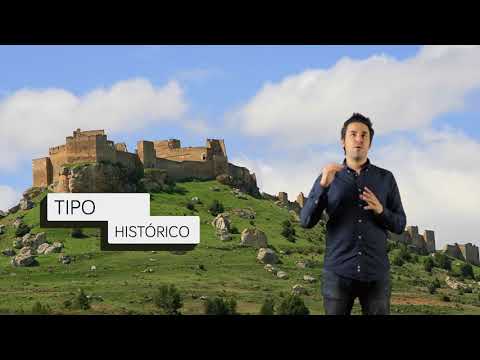
- Historical romances recount significant events like the taking of Zamora or tales about El Cid and Bernardo del Carpio, reflecting real historical contexts.
Other Categories
- Additional themes include:
- Chivalric cycles, such as those surrounding Charlemagne or King Arthur.
- Border romances depicting conflicts between Christians and Muslims during reconquest periods (1100–1400).