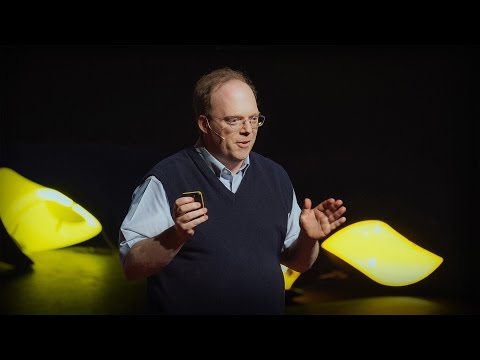
The ethical dilemma of designer babies | Paul Knoepfler
What If We Could Create Designer Babies?
The Concept of Designer Babies
- The speaker introduces the idea of creating a designer baby, posing questions about parental choices in genetic modification.
- A scenario is presented where the listener's child, Marianne, is a "natural" without genetic modifications, contrasting with her genetically modified friend Jenna.
CRISPR Technology Explained
- CRISPR technology is introduced as a method for genetic modification, likened to something "crisp," emphasizing its innovative nature.
- Jenna's enhancements were made possible through CRISPR applied to human embryos, showcasing the potential for selecting desirable traits.
Implications of Genetic Modifications
- Jenna exhibits extraordinary traits such as intelligence and health benefits compared to non-modified children like Marianne.
- Despite these advantages, there are concerns about potential negative traits in genetically modified children, including increased aggressiveness and narcissism.
Social Dynamics and Emotional Impact
- The narrative highlights emotional turmoil within families as social dynamics shift; Marianne fears losing her friendship with Jenna due to differing educational paths.
Future Considerations and Ethical Dilemmas
- The speaker emphasizes that this imagined future could become reality within 15 years if current trends continue.
- As a stem cell and genetics researcher, the speaker warns about the implications of recent advancements in CRISPR technology.
Recent Developments in Genetic Modification
Global Advances in Genetic Research
- A significant event occurred when researchers in China reported creating genetically modified human embryos using CRISPR technology.
Legal Landscape Surrounding Genetic Modification
- The speaker addresses misconceptions regarding legality; while some countries have restrictions on designer babies, others like the US lack specific laws against it.
Changes in UK Legislation
- Recent changes in UK law now allow for certain types of genetic modifications aimed at preventing rare diseases, indicating a shift towards acceptance of genetic engineering.
Understanding CRISPR: A Revolutionary Tool
What is CRISPR?
- CRISPR is described as a powerful tool akin to a Swiss army knife for genetics—capable of targeting specific DNA sequences and making precise edits.
Advantages Over Previous Technologies
- Compared to older methods used for GMOs (genetically modified organisms), CRISPR offers improved efficiency and cost-effectiveness.
The Implications of CRISPR and Designer Babies
The Rise of CRISPR Technology
- CRISPR technology has rapidly advanced, enabling genetic modifications that were previously time-consuming and expensive to perform. Thousands of labs are currently utilizing it for significant research, primarily focused on human diseases rather than creating designer babies.
- The ability to conduct genetic modifications in weeks for a fraction of the cost is seen as a breakthrough in science, but it raises concerns about potential misuse and ethical implications.
Concerns About Eugenics
- There is apprehension regarding the ideological motivations behind some pursuits in genetic modification, particularly the push towards designer babies, which may overshadow scientific integrity.
- Historical context is provided by referencing Darwinian evolution and eugenics, suggesting that modern advancements like CRISPR could exacerbate social inequalities reminiscent of past eugenic movements.
Personal Reflection on Eugenics
- The speaker shares a personal family history tied to eugenics during their father's childhood in Vienna, illustrating the emotional impact and historical significance of these ideologies.
- Despite being framed as "positive eugenics," there are fears that current trends could lead to negative consequences similar to those experienced in the past.
Ethical Dilemmas in Genetic Modification
- The concept of "betterment" raises complex questions about what constitutes an improved human being. This includes superficial desires such as physical appearance changes or enhancements.
- Risks associated with genetic modification include unintended health consequences from new technologies and potential backlash against legitimate research due to public perception shaped by designer baby controversies.
Societal Implications and Government Involvement
- There is concern that governments might promote genetic modification if it appears beneficial for public health or economic reasons, drawing parallels with China's one-child policy.
- The idea that designer babies could become fashionable poses risks related to societal pressures and trends influencing reproductive choices beyond individual control.
Cultural References and Future Considerations
- Halloween serves as a metaphorical backdrop for discussing genetic modification's implications; comparisons are made between genetically modified children and Frankenstein-like creations.
- While extreme scenarios may not materialize, there remains uncertainty about how far society will go in altering human genetics without fully understanding the consequences.
Historical Context: IVF as a Cautionary Tale
Human Genetic Modification: A Double-Edged Sword?
The Promise and Peril of Designer Babies
- The emergence of new technologies has led to the birth of five million babies in four decades, highlighting the potential for human genetic modification to create designer babies.
- If the first designer baby is born soon, it could lead to millions of genetically modified humans within a few decades due to heritability.
- A meeting by the US National Academy of Sciences is scheduled to discuss the future path for human genetic modification, emphasizing its urgency.
Call for Caution
- The speaker advocates for a moratorium on creating genetically modified people, citing dangers and unpredictability associated with such technology.
- There is significant opposition from others who support rapid advancement in designer baby technology, indicating a divide in public opinion.
Public Awareness and Engagement
- The speaker notes that the public remains largely unaware of the implications of genetic modification, which could have profound personal effects on individuals and families.
- Engaging with the public is crucial; there should be opportunities for community voices at upcoming meetings regarding genetic modification.
Imagining Future Scenarios
- A hypothetical scenario illustrates societal comparisons between traditional children and genetically modified (GM) children, raising questions about parental choices and societal pressures.
- The emotional impact on parents when comparing their non-GM child with a GM child highlights potential feelings of inadequacy or pressure to conform to new norms.
Turn any video into a summary like this
YouTube links, meetings, lectures. With transcripts, search, and chat.