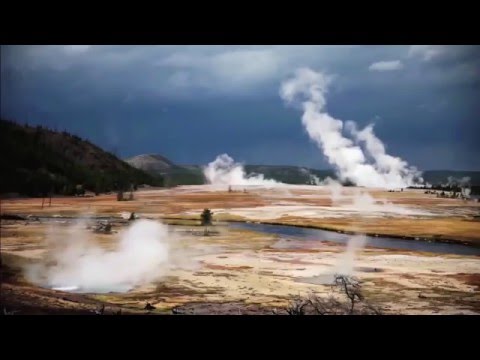
Como los lobos cambiaron los rios HD (audio en español)
The Impact of Trophic Cascades in Yellowstone
Introduction to Trophic Cascades
- One of the most incredible scientific discoveries of the last century is the concept of trophic cascades, an ecological process that starts at the top of the food chain and works its way down.
- A classic example occurred in Yellowstone National Park when wolves were reintroduced in 1995 after being absent for 70 years.
Effects of Wolf Reintroduction
- The absence of wolves led to an overpopulation of deer, which resulted in significant vegetation loss due to overgrazing.
- Upon their return, wolves not only reduced deer numbers but also altered their behavior, causing them to avoid certain areas like valleys and gorges.
Ecological Regeneration
- As deer avoided these areas, vegetation began to regenerate rapidly; tree heights increased fivefold within six years.
- This regeneration attracted various bird species and increased beaver populations, as beavers rely on trees for food and habitat.
Broader Ecosystem Changes
- Wolves indirectly supported other wildlife by controlling coyote populations, leading to increases in rabbits and mice, which attracted more predators such as eagles and foxes.
- Bears also benefited from this ecosystem shift by feeding on carrion left by wolves, contributing to their population growth.
River Dynamics Altered
- The presence of wolves changed river behaviors; less erosion occurred as vegetation stabilized soil.