CRT secrets 4: Candle anatomy
Candle Anatomy: A Key to Successful CRT Trading
Importance of Candle Anatomy
- Understanding candle anatomy is crucial for successful CRT trading; neglecting it can lead to long-term failure in trading.
- The video targets both private and public students, emphasizing the significance of this knowledge for all traders.
Common Trading Patterns and Pitfalls
- Many traders rely on blind pattern trading without context or narrative, leading to poor outcomes. This includes various trading styles like SMC, supply and demand, and price action.
- Graduating from basic pattern trading leads to becoming a CRT trader, which is essential for those seeking long-term success in the market.
Engaging with Candle Concepts
- Viewers are encouraged to actively engage by pausing the video and reflecting on what they see when presented with a candle representation. This interaction is vital for learning.
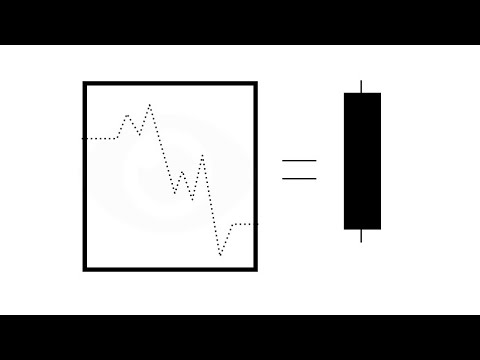
- Candles consist of opening time, closing time, and price movement in between; understanding these elements is fundamental before considering any patterns or entry models.
Types of Candles to Trade
- Traders should focus on three main types of candles: 4-hour, daily, and weekly candles as foundational tools for analysis; advanced traders may explore longer time frames later.
- All candles share a fractal nature; they look similar regardless of their time frame but differ in how quickly they print data (e.g., monthly vs 4-hour). Understanding this similarity aids in effective trading strategies.
Key Takeaways on Trading Psychology
- The first decision when analyzing charts should be about which candle type to trade rather than impulsively pressing buttons due to addiction-like behavior common among many traders. Recognizing this tendency is crucial for improvement.
Understanding Trading Mindset and Strategies
The Nature of Trading Efforts
- Trading challenges are not permanent; however, they require effort to overcome.
- Impulsive gamblers may resist advice due to addiction to frequent trading, often losing track of their performance.
Transitioning from Impulsive to Strategic Trading
- Many traders fear moving away from high-frequency trading (e.g., 200 trades a day) towards more deliberate analysis.
- Long-term profitability is linked to making fewer trades rather than engaging in constant scalping.
Insights from Experienced Traders
- Successful traders emphasize that less trading typically leads to greater financial success, contrasting with the advice of inexperienced mentors.
- Wealthy and experienced traders advocate for a focus on quality over quantity in trade execution.
Analyzing Lower Time Frames
- Gaining experience through lower time frame analysis can be beneficial, but it should not lead to excessive trading.
- Understanding candle patterns is crucial; traders should first identify which timeframe they are analyzing before seeking specific patterns.
Technical Analysis Fundamentals
- The strongest technical analysis patterns involve recognizing market movements based on candle formations and trends.
Turn any video into a summary like this
YouTube links, meetings, lectures. With transcripts, search, and chat.