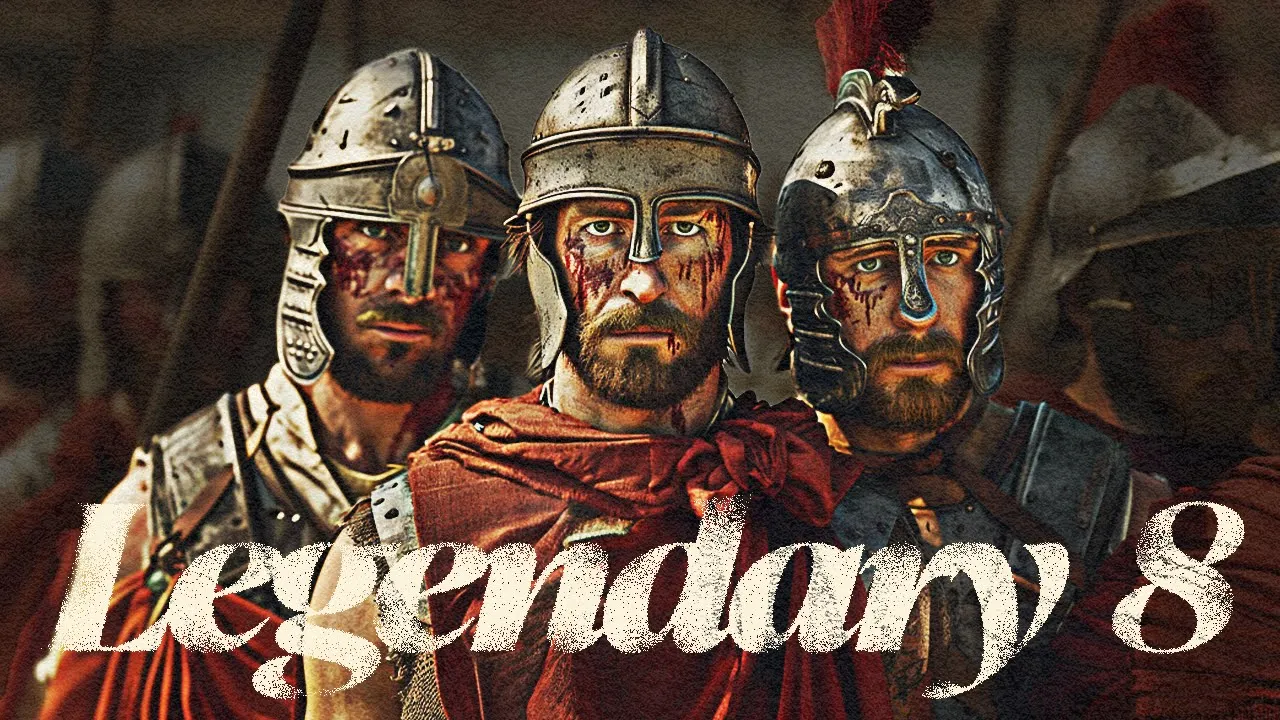
The Legendary Warrior Cultures of History
The Role of Warriors in History
This section introduces the topic of warriors throughout history and their impact on kingdoms and empires. It mentions the Spartans, Norsemen, Night Templars, and Immortals as examples of warrior groups.
Spartans - The Warrior Race
- Spartan boys were taken away from their mothers at the age of seven to be trained in the agog, a brutal military academy.
- They were taught survival skills and encouraged to steal rations without getting caught to separate the strong from the weak.
- The elite Spartan hoplites wielded long spears, short swords, and small circular shields.
- Their principal tactic was phalanx formation, which required discipline and coordination.
Norsemen - The Berserkers
- The Berserkers were a separate breed of Norse warriors known for their ferocity in battle.
- They performed secret rituals and used substances to enter a state of frenzy where they felt no pain or fatigue.
- They fought naked without armor and their savage reputation often caused enemies to flee.
Night Templars - Mysterious Warriors
- Initially a religious cult protecting pilgrims visiting Jerusalem, they later became combatants in Crusader Wars.
- Surprisingly, they also served as an early banking system due to pilgrims depositing belongings with them as credit.
- Their heavily armored knights charged ahead of the main army in battles, symbolizing martyrdom with their Templar cross.
- Templars lived in poverty and devoted themselves completely to God and religion.
Immortals - Elite Persian Infantry
- Herodotus named this infantry unit "Immortals" due to its constant strength of 10,000 soldiers.
- When an immortal was killed or retired, they were immediately replaced to maintain their number.
- They removed dead bodies from the battlefield so that enemies believed they were immortal.
- The Immortals wore shining bronze and metal armor, carried long spears, and had wicker shields covered in leather.
Mongol Horse Riders - Unleashing Destruction
- Descending from the steppes, Mongol horse riders conquered nations with their swift and devastating attacks.
Astra Gallery - AI Content Creation
This section briefly interrupts the discussion to promote Astra Gallery's step-by-step guide to AI content creation.
Night Templars - Unique Warriors
This section provides further details about the Night Templars' lifestyle and code of conduct.
Conservative Lifestyle
- Templars lived in poverty and were completely devoted to God and religion.
- They shunned material desires, severed ties with family, and forbade pleasure with women.
- Despite their conservative lifestyle, the order itself was wealthy due to donations.
Immortals - Conspicuous Warriors
This section explores the lavish lifestyle of the Immortals, a Persian infantry unit.
Lavish Lifestyle
- The Immortals adorned themselves with large amounts of gold.
- They indulged in pleasure and lived a lavish lifestyle despite being warriors.
- Herodotus named them "Immortals" because they maintained a constant strength of 10,000 soldiers.
Conclusion
The transcript concludes by mentioning that the Mongol horse riders eventually brought an end to the Immortals and their empire through Alexander the Great's conquest.
Mongol Warriors and their Unique Recurve Bow
This section discusses the Mongol warriors' ability to shoot arrows effectively from horseback using the unique recurve bow. The combination of the bow and a fast pony as a firing platform made them devastating in battle.
Mongol Mobility and Battle Tactics
- The Mongols relied heavily on light cavalry and were known for their legendary mobility.
- Each cavalryman moved with three or four horses, allowing them to rotate their mounts at will.
- Their most lethal battle tactic was the "Fain retreat," where they drew the enemy in, retreated, and then encircled and dismantled them.
Legio X Equestris: The Best Roman Legion
This section highlights Legio X Equestris as one of the best Roman legions. Formed by Julius Caesar during his time as governor of Hispania, this legion played a decisive role in various battles.
Legio X Equestris in Gallic Wars
- Legio X Equestris fought under Caesar in the Gallic Wars.
- They played a decisive role in winning the Battle of Alesia and conquering Gaul.
- This legion quickly became Caesar's favorite and most trustworthy.
Janissaries: The Sultan's Pride
This section focuses on the Janissaries, who emerged as the first real standing army in Europe under the Ottoman Empire. They were highly skilled soldiers known for their use of gunpowder and firearms.
Formation of Janissaries
- The Janissaries were initially formed when Christian prisoners of war were converted to Islam and served as personal soldiers to Sultan Murad I.
- Impressed with their performance, Sultan Murad ordered this practice to be repeated with young Christian boys taken from the Balkan region.
Samurai Warriors: Knights of Feudal Japan
This section discusses the Samurai warriors of feudal Japan, who were skilled fighters and adhered to the ethical code of Bushido. They were known for their use of the katana sword and their discipline in combat.
Characteristics of Samurai Warriors
- The samurai enjoyed an elevated status in society and were the only ones permitted to carry swords at all times.
- They were skilled in various martial arts, including Jiu-Jitsu.
- Samurai preferred open field combat and often engaged in one-on-one duels.
Decline and Dissolution of Janissaries and Samurai
This section explores the decline and dissolution of both the Janissaries under the Ottoman Empire and the samurai warriors in feudal Japan due to internal strife, political power, and changing times.
Internal Strife and Decline
- The growing power of Janissaries led to corruption within the Ottoman Empire, influencing high-ranking appointments.
- Sultan Mahmud II disbanded them in 1826 due to concerns about their original purpose being forgotten.
- The rigid social hierarchy among samurai and their political influence also led to internal strife, resulting in their eventual dissolution during the Meiji Restoration.
Timestamps have been associated with relevant bullet points as per instructions.