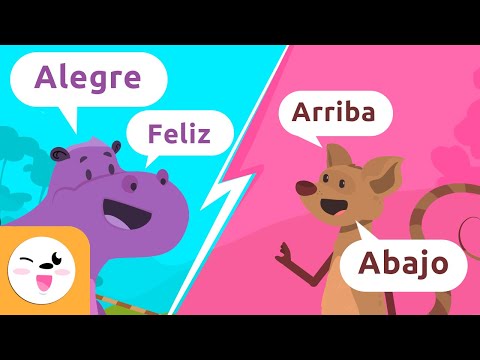
Los SINÓNIMOS y los ANTÓNIMOS | Recopilación | ¿Cuál es la diferencia entre sinónimo y antónimo?
Understanding Synonyms and Antonyms
Introduction to Synonyms
- The speaker introduces the concept of synonyms by describing their own bike, using various words like "grande," "enorme," and "gigante" to illustrate that they all mean the same thing.
- The term "sinónimos" is defined as words with similar meanings that can be substituted for one another in sentences.
- Learning synonyms enhances our ability to express ourselves more clearly and makes writing more engaging.
Practical Application of Synonyms
- A playful interaction occurs where one character challenges another to provide synonyms for different words, demonstrating understanding through examples like "increíble" (fantástico) and "alegre" (feliz).
- The importance of using synonyms is reiterated, emphasizing that they make writing more interesting and detailed.
Transition to Antonyms
- The scene shifts as a new character presents a riddle involving contradictory statements, leading into a discussion about antonyms.
- The phrase “lo que está mal está bien” serves as an example of how antonyms work, setting up the need for understanding this concept.
Understanding Antonyms
- Antónimos are defined as words with opposite meanings. Examples include “encantar” (to love) versus “odiar” (to hate).
- Further examples illustrate antonyms: big/small, low/high, new/old. This helps clarify the concept through relatable comparisons.
Practicing Antonyms
- An interactive practice session ensues where one character provides words while the other responds with their antonyms—examples include “arriba” (up)/“abajo” (down), reinforcing learning through engagement.