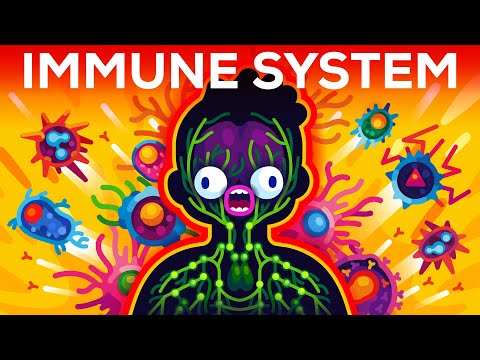
How The Immune System ACTUALLY Works – IMMUNE
Understanding the Human Immune System
Overview of the Immune System
- The human immune system is one of the most complex biological systems, second only to the brain. It consists of numerous small and two large organs, along with a transport network throughout the body.
- This system produces hundreds of billions of fresh cells daily, organized like an army to protect against microorganisms and cancerous cells.
Initial Response to Invasion
- When an injury occurs (e.g., cutting a thumb), it triggers a catastrophic response within the body as bacteria invade the wound site. Dead cells and dirt create chaos in this environment.
- The first line of defense activates immediately; surviving cells release chemical signals that alert the immune system to respond.
Role of Macrophages
- Macrophages are among the first responders, comparable in size to a black rhino relative to other cells. They aggressively attack invading bacteria by engulfing them whole.
- A single macrophage can consume up to 100 bacteria before becoming exhausted but often requires reinforcements due to overwhelming numbers of invaders.
Neutrophils Join the Battle
- Neutrophils arrive as reinforcements; they are short-lived warriors dedicated solely to killing pathogens, often sacrificing themselves in battle through explosive attacks on bacteria.
- Their aggressive tactics can cause collateral damage to surrounding healthy cells, but their primary focus remains on eliminating threats at all costs.
Inflammation and Complement Proteins
- As neutrophils engage in combat, blood vessels allow fluid into the affected area, leading to inflammation characterized by swelling and warmth around injuries (e.g., a swollen thumb).
- This fluid contains complement proteins that act as automated weapons against bacteria by creating holes in their membranes for destruction.
The Role of Dendritic Cells
Transitioning from First Line Defense
- If initial defenses fail against strong invaders, dendritic cells become crucial intelligence officers within the immune response; they collect samples from defeated pathogens for further action.
Activation of Helper T Cells
- Dendritic cells travel through lymphatic pathways seeking specific helper T cells equipped with appropriate responses for identified pathogens; this process is akin to finding specialized commanders for battle strategies.
Recognition and Cloning Process
- Upon encountering compatible helper T cells that recognize bacterial components presented by dendritic cells, these T cells become activated and begin cloning themselves rapidly for enhanced response capabilities.
Mobilization of Heavy Weapons
Immune Response: The Battle Within
Activation of Immune Cells
- The demoralized soldier, representing a macrophage, feels rejuvenated by a surge of anger and instinctively knows to attack the enemies.
- Helper T cells activate B cells, which are responsible for producing antibodies—described as protein super weapons that resemble tiny crabs with pincers designed to capture enemies.
- Once the correct B cell is identified, it begins cloning itself rapidly; each clone can produce up to 2,000 antibodies per second.
Antibody Action and Defense Mechanism
- The newly produced antibodies clump bacteria together, immobilizing them while immune cells eliminate these defenseless targets.
- As the battle concludes, most immune cells self-destruct to conserve resources; however, some helper T cells transform into memory cells for long-term immunity.
Long-Term Immunity and Healing
- Memory cells remain vigilant in guarding against future infections from the same bacteria; some B cells continue producing low levels of antibodies for sustained immunity.
- The narrative emphasizes how individuals are often unaware of their body's internal struggles during minor injuries while highlighting the complexity of immune responses.
Book Recommendation: "Immune" by Philipp Dettmer
- "Immune: A Journey into the Mysterious System That Keeps You Alive" offers an illustrated exploration of the immune system's intricacies and its role in health.