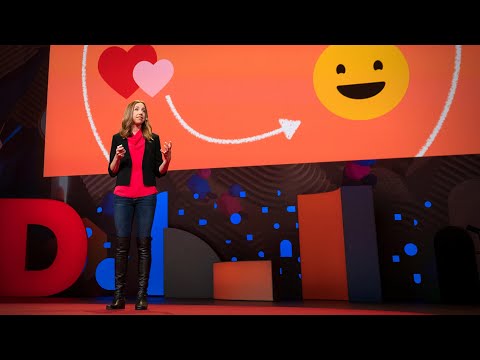
Helping others makes us happier -- but it matters how we do it | Elizabeth Dunn
What Makes People Happy?
Introduction to Happiness Research
- The speaker discusses their role in studying happiness, noting the contrast between this pursuit and the often depressing news headlines.
- They highlight that understanding happiness could be key to addressing significant global issues, referencing a decade of research.
Early Findings on Giving and Happiness
- The speaker reflects on their early research published in "Science," which concluded that spending money on others promotes happiness, yet they personally did not experience this joy from giving.
- An experiment with toddlers using Goldfish crackers demonstrated that even young children derive happiness from sharing, suggesting an innate tendency towards generosity.
Global Trends in Charitable Giving
- Analysis of surveys from over 200,000 adults revealed a strong correlation between charitable giving and increased happiness across various regions worldwide.
- The impact of giving on happiness was found to be comparable to having double the income, prompting questions about whether this behavior is part of human nature.
Personal Reflection and Commitment to Giving
- Despite advocating for the benefits of giving, the speaker admits to not practicing it enough themselves, leading them to resolve to increase their charitable contributions.
- Inspired by the Syrian refugee crisis, they sought more impactful ways to help beyond monetary donations.
Community Involvement through Sponsorship
- Learning about Canada's Group of Five program allowed them to sponsor a refugee family collectively with others, emphasizing community involvement in charity work.
- After extensive preparation, they welcomed a family from Syria into Vancouver and shared experiences about helping them settle into their new home.
Insights Gained from Direct Engagement
- The emotional connection formed during direct assistance highlighted how personal involvement can enhance feelings of fulfillment and purpose in helping others.
- Reflecting on large-scale humanitarian crises reveals how abstract numbers can obscure individual stories; personal engagement fosters deeper empathy and commitment.
Research Implications on Charitable Choices
Understanding the Impact of Charitable Giving
The Emotional Return on Investment in Charity
- Spread the Net provides a tangible benefit for donations, promising one bed net for every $10 donated, which correlates with increased donor happiness.
- In contrast, donations to UNICEF do not yield the same emotional satisfaction, indicating that donors need to visualize the impact of their contributions.
Personal Connections and Community Support
- The speaker shares a personal story about integrating a Syrian refugee family into their life, highlighting community support through various services like dental care and summer camps.
- A donation allowed children from this family to attend bike camp, showcasing community involvement as members cheered them on during significant milestones.
The Evolution of Refugee Sponsorship
- Canada has historically been unique in allowing private citizens to sponsor refugees; now other countries like Australia and the UK are adopting similar programs.
- The potential positive impact on the refugee crisis could be substantial if more nations embraced such sponsorship opportunities.
Local Initiatives: Plenty of Plates Program
- "Plenty of Plates" is a program aimed at providing meals while fostering connections among community members who might otherwise remain isolated.
- Volunteers engage with individuals during meal service, leading to lasting changes in perceptions and interactions within the community.
Rethinking Charitable Giving
- True joy in giving comes from meaningful engagement rather than mere financial transactions; understanding how we help others is crucial for promoting happiness.
Turn any video into a summary like this
YouTube links, meetings, lectures. With transcripts, search, and chat.