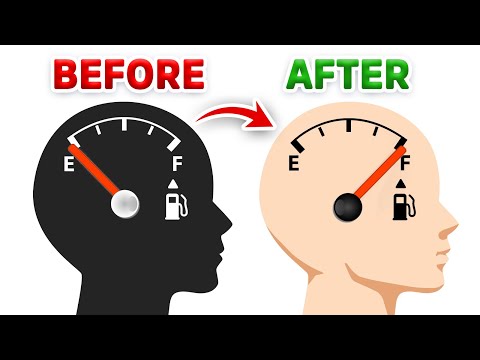
5X Your BRAIN CELLS
Can You Regenerate Brain Cells?
In this section, the speaker debunks the myth that brain cells cannot regenerate and explains how the rate of regeneration affects cognitive function.
Brain Cell Regeneration
- The idea that our brains do not regenerate brain cells is false.
- The rate at which brain cells regenerate affects cognitive function as we age.
How to Increase Brain Size and Regeneration
This section covers various ways to increase brain size and regeneration, including exercise, fasting, and cold therapy.
Exercise
- Regular consistent exercise is the most important thing you can do to enhance your brain.
- Aerobic exercise that increases oxygen intake is best for enhancing brain function.
- Inactivity or lack of exercise can be detrimental to brain health.
Fasting
- Intermittent fasting and periodic prolonged fasting are potent stimulators of factors that help grow and repair the brain.
- Eating too frequently or snacking can be harmful to the brain. Two meals a day with a fasting period of at least 16 hours is ideal.
Cold Therapy
- Cold therapy, such as taking an ice bath or cold shower, is a potent stimulator of neurogenesis (regrowing nerve cells).
Conclusion
The speaker concludes by encouraging viewers to incorporate these practices into their lifestyle in order to increase their brain size and regeneration.
Lifestyle Changes
- Incorporating regular exercise, fasting, and cold therapy into your lifestyle can increase brain size and regeneration.
- Viewers are encouraged to add their own suggestions in the comments.
Nutrition for Brain Health
In this section, the speaker discusses how nutrition affects brain health and provides tips on how to improve brain function through diet.
Omega-3 Fatty Acids
- Omega-3 fatty acids are potent stimulators of growing the brain.
- DHA, a type of omega-3 fatty acid found in fish oils or cod liver oil, is a good portion of the brain's composition.
- Oxidized oils like vegetable oils heated with solvents like hexane are bad for the brain. Saturated fats like coconut oil, lard, and butter are better to cook things in as long as carbs are kept low.
Low Carb Diet
- A low carb diet is recommended because sugar and refined carbs create oxidation in the brain.
- Glucose hypo metabolism is the hallmark of neurodegeneration where glucose cannot be metabolized in neurons. Lowering glucose intake and consuming ketones can help feed neurons directly.
Vitamin B1 Thiamine
- Vitamin B1 thiamine is beneficial to the brain while a deficiency can lead to inflammation and degeneration of neurons.
- Wernicke-Korsakoff syndrome occurs when there is not enough B1 due to eating too many refined carbohydrates or too much sugar.
Probiotics
- The microbes in your gut make neurotransmitters that affect mood and cognition. Taking antibiotics can cause problems with your brain. Consuming probiotics such as sauerkraut, fermented food, and certain vegetables can help regenerate brain cells.
Sun Exposure
- Infrared energy from the sun can penetrate through your skull and increase melatonin which acts as an antioxidant to support your brain.
- Vitamin D from the sun can also help the brain. Artificial lights indoors do not help the brain.
Plant-Based Phytonutrients
- Foods high in choline are good for acetylcholine production, a common neurotransmitter in the brain.
Nutrition and Sleep
In this section, the speaker discusses the importance of maintaining a balanced omega-6 to omega-3 ratio when consuming animal products. Additionally, they emphasize the significance of getting sufficient and high-quality sleep for optimal brain function.
Omega-6 to Omega-3 Ratio
- A balanced omega-6 to omega-3 ratio is crucial for anti-inflammatory benefits.
- The ideal ratio is 1:1.
- It's important to be aware of this when consuming animal products.
Quality Sleep
- Quality sleep is just as important as the number of hours slept.
- Insomnia and reliance on caffeine can negatively impact nerve cell regeneration.
Coffee and Brain Function
This section focuses on coffee consumption and its effects on brain function. The speaker explains that while excessive caffeine intake can be detrimental, moderate coffee consumption can have beneficial effects due to polyphenols present in coffee.
Effects of Caffeine
- Excessive caffeine intake can create problems with brain function.
- Overstimulation from too much caffeine can be damaging.
Benefits of Moderate Coffee Consumption
- Polyphenols in coffee can support brain function.
Zinc and Cognitive Function
In this section, the speaker discusses the importance of zinc for cognitive function, particularly in relation to the hippocampus. They explain that zinc deficiency can lead to atrophy in the hippocampus, which affects both cognitive function and mood.
Importance of Zinc
- Zinc is involved in different enzymes crucial for brain function.
- Zinc deficiency can lead to atrophy in the hippocampus, affecting cognitive function and mood.
Turn any video into a summary like this
YouTube links, meetings, lectures. With transcripts, search, and chat.