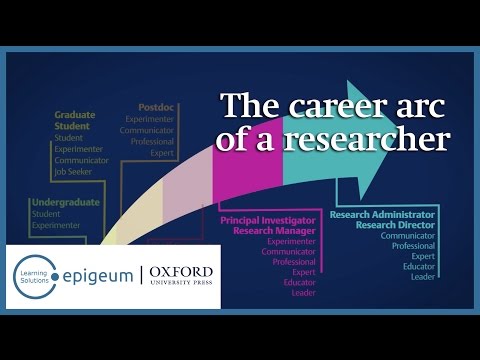
The career arc of a researcher
Understanding Training Needs in Research Careers
The Journey from Education to Research Careers
- Understanding the transition from undergraduate studies to research-intensive roles is crucial for identifying training needs.
- Many students first engage with research during their senior undergraduate years, gaining essential transferable skills that are vital for future success in academia or industry.
- A new training program, "Research as a Transferable Skill," aims to cultivate a researcher mindset among students, enhancing long-term employability and career prospects.
Addressing Skills Gaps in Graduate Programs
- PhD students face pressure to produce publishable results; however, critical skills for managing reproducible research are often not formally taught.
- Essential skills such as developing testable hypotheses and executing organized projects are typically learned through informal apprenticeships rather than structured education.
Advanced Training for Early Career Researchers
- As researchers gain experience, they shift focus from laboratory work to administrative tasks like funding acquisition and team management.
- The "Professional Skills for Research Leaders" program is designed to equip senior researchers with necessary skills for complex environments.
Importance of Research Ethics
- Ethical considerations in research remain paramount throughout a researcher's career, covering topics like academic integrity and responsible data management.
- Epigeum offers a well-regarded ethics training program adopted by institutions globally, emphasizing the importance of ethical conduct in research.
Comprehensive Training Programs Across Career Stages
- Epigeum's integrated training programs provide continuous access to resources tailored to researchers' evolving needs from undergraduates to leaders.