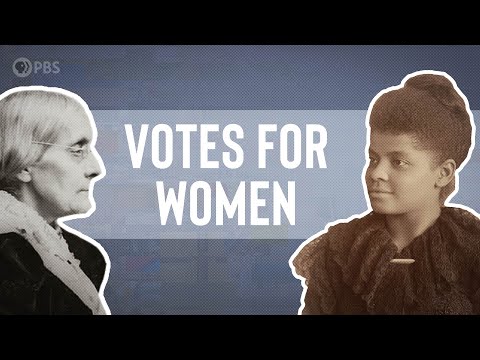
6 Surprising Facts About the 19th Amendment
The Journey to Women's Suffrage in the U.S.
The 19th Amendment: A Milestone
- The 19th Amendment, ratified on August 18, 1920, granted women the right to vote in the United States.
- This achievement was not instantaneous; it resulted from decades of activism and struggle.
Seneca Falls Convention: A Pivotal Moment
- The Seneca Falls Convention in 1848 was a significant event where women gathered to discuss their rights, surprising attendees with a turnout of around 300 people.
- Elizabeth Cady Stanton authored the Declaration of Sentiments, which included a resolution for women's voting rights despite opposition from her husband and fellow organizer Lucretia Mott.
- Frederick Douglass's support helped pass the ninth resolution advocating for women's suffrage, although it faced dissent unlike other resolutions.
Racial Dynamics within Suffrage Movement
- The Declaration of Rights and Sentiments contained racist ideas that undermined its inclusivity regarding African American women.
- Many prominent suffragists were also abolitionists but struggled with racial issues when advocating for voting rights for black men versus white women.
- Some suffragists opposed the 15th Amendment because it enfranchised only black men, revealing underlying racial biases within the movement.
Historical Narratives: Rewriting History
- Susan B. Anthony and Elizabeth Cady Stanton sought to shape historical narratives by authoring "History of Woman Suffrage," emphasizing their roles while neglecting others' contributions.
- Their work spanned nearly six volumes but often excluded diverse voices like Sojourner Truth and Zitkala-Sa who fought for broader civil rights beyond just women's suffrage.
The Struggles and Triumphs of Women's Suffrage
Historical Context of Voting Rights
- Native Americans were not recognized as US citizens until the Indian Citizenship Act of 1924, which did not guarantee voting rights for Native American women.
- Hawaiian women faced similar disenfranchisement issues, while poll taxes and literacy tests continued to obstruct Black Americans' voting rights until legal changes in the 1960s.
Organizing for Change
- Women’s suffrage organizing was significant across the United States, particularly in the West, with Wyoming and Colorado granting women the right to vote nearly 30 years before national suffrage was achieved.
- Women’s clubs emerged in the western US during the 1870s, primarily composed of middle-class women who utilized newspapers to advocate for suffrage and discuss broader social issues.
Key Figures in Suffrage Movement
- Elizabeth Ensley played a pivotal role in Colorado's suffrage movement, leading campaigns that resulted in women's enfranchisement with 55% support in November 1893. She also contributed to various organizations focused on African American women's rights.
- The establishment of clubs like the Woman’s League of Denver helped educate newly enfranchised women about their voting rights and influenced election outcomes significantly. Black women's votes led to historic elections, including Colorado's first Black state legislator in 1894.
Intersectionality within Suffrage
- Racism posed a major barrier to suffrage; arguments against women's voting often included concerns about Chinese women's inclusion. However, some suffragists recognized the importance of engaging communities of color for their cause. In California, a majority of Chinese voters supported women's suffrage despite these challenges.
The March on Washington
- On the eve of Woodrow Wilson's inauguration in 1913, Alice Paul organized a massive march with 5,000 participants aimed at drawing attention to women's suffrage issues amidst significant public interest from spectators (500,000).
- The event turned violent as many marchers faced harassment; reports indicated injuries among participants due to police negligence during this high-profile demonstration advocating for equality.
Notable Resistance and Solidarity
- Ida Bell Wells-Barnett challenged segregationist practices within the march by insisting on equal participation alongside white suffragists; her actions highlighted racial tensions within the movement itself.
- Only one African American organization participated fully—Delta Sigma Theta sorority—underscoring ongoing racial divisions even among those fighting for similar rights within the broader context of women's suffrage efforts.
Legislative Battles Ahead
- A pivotal moment came when a mother's letter significantly influenced support for ratifying the 19th Amendment amid intense lobbying from both pro-suffragists and anti-ratification groups during state legislative sessions between 1919 and 1920.
- Tennessee became crucial as it needed to be persuaded into ratifying; political maneuvering involved various interests including liquor industry representatives attempting to sway legislators against granting women voting rights through lavish hospitality efforts at local hotels like Hermitage Hotel near statehouse discussions on ratification efforts.
The Role of a Mother's Influence in Women's Suffrage
The Context of the Vote
- The Jack Daniels Suite was filled with anti-ratificationists reminiscing about the past, creating an uninviting atmosphere for those supporting women's suffrage.
- Despite the opposition's confidence in their success, a pivotal moment occurred on August 18th, the day of the vote.
Harry T. Burn's Decision
- Representative Harry T. Burn received a seven-page letter from his mother, Febb, which included personal updates and a crucial message urging him to support suffrage.
- In response to his mother's encouragement, Burn voted "aye" for ratification despite wearing a red rose symbolizing opposition, ultimately breaking a tie that allowed the amendment to pass.
- He later reflected on his decision by stating that following his mother's advice was always wise and significant in this historical context.
Reflections on Women's Suffrage
- The journey toward women's suffrage in the U.S. was complex and often tumultuous, making it challenging to encapsulate into a simple legacy.
- This narrative highlights how personal influences, such as maternal guidance, played an unexpected yet vital role in shaping history.