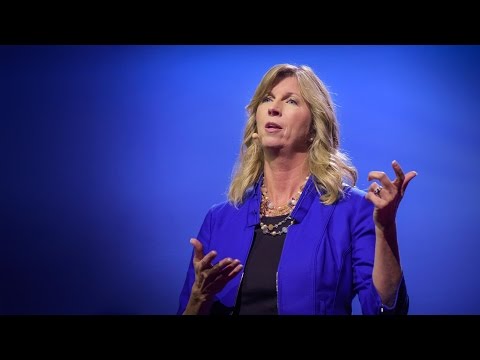
Why the best hire might not have the perfect resume | Regina Hartley
The Silver Spoon and The Scrapper
This section introduces the concept of "Silver Spoons" and "Scrappers" in the context of hiring decisions, highlighting the different backgrounds and experiences of candidates.
Introduction to Candidate Types
- Person A is described as an Ivy League graduate with great recommendations.
- Person B is characterized as a state school attendee with job-hopping experience including odd jobs like cashier and singing waitress.
- Both candidates are acknowledged as qualified individuals.
The Silver Spoon vs. The Scrapper
- "Silver Spoon" refers to individuals with clear advantages and a path to success.
- "Scrapper" denotes those who faced significant obstacles on their journey to success.
- Resumes tell stories, prompting consideration for candidates with diverse experiences like Scrappers.
Importance of Considering Scrappers
- Odd job histories may indicate struggle against obstacles rather than inconsistency.
- While not holding anything against Silver Spoons, handling tough times is emphasized for success.
Post Traumatic Growth
This part delves into the concept of Post Traumatic Growth, highlighting how adversity can lead to personal development and success.
Understanding Adversity
- Dysfunction studies reveal unexpected growth potential from adverse circumstances.
- One-third of children facing severe conditions grow up to lead successful lives despite challenges.
Examples of Success Through Adversity
- Steve Jobs' unconventional path to success despite challenges like dyslexia.
- High prevalence of dyslexia among successful entrepreneurs emphasizes leveraging learning disabilities as strengths.
Embracing Adversity for Growth
- Entrepreneurs view trauma as a key element shaping their success rather than hindering it.
Overcoming Challenges
This segment shares personal anecdotes illustrating how individuals overcome hardships to achieve remarkable success.
Personal Stories of Triumph
Eleven Years Later
The speaker recounts a story of someone who, despite facing challenges, succeeded through dedication and unwavering commitment to education.
Journey of Dedication
- With only three months to prepare for a university admissions test, the individual committed to learning the entire middle and high school curriculum.
- Daily routine involved coming home from work, studying until 4 am, then returning to work - maintained for three months.
- Success was achieved through this intense dedication and effort.
Belief in Self-Control
Scrappers believe in taking control of their own lives and actions.
Empowerment through Self-Control
- Scrappers are driven by the belief that self-control is paramount.
- When faced with challenges, they focus on what they can do differently for better outcomes.
Purpose and Resilience
Scrappers possess a strong sense of purpose that sustains them through adversity.
Purposeful Resilience
- Their purpose prevents them from giving up, drawing strength from surviving past hardships.
- Humor plays a vital role in navigating tough times and shifting perspectives.
The Power of Relationships
Overcoming adversity often involves supportive relationships.
Supportive Networks
- Individuals overcoming challenges find support in those who bring out their best selves.
- Having reliable people around is crucial for resilience against adversity.
Value of Mentorship
Mentorship and guidance play significant roles in personal growth and success.
Impactful Mentors
- Encouragement from mentors can shape one's focus towards the future rather than dwelling on the past.
- Honest feedback and mentorship contribute significantly to personal development.
Diversity Drives Success
Companies embracing diversity tend to excel beyond their peers.
Diversity as a Strength
- Organizations committed to diversity often support individuals like Scrappers, leading to enhanced performance.
- Studies show that diverse companies outperform others significantly.
Choosing Success
Embracing passion and purpose leads to success over privilege.
Embracing Underestimation
Turn any video into a summary like this
YouTube links, meetings, lectures. With transcripts, search, and chat.