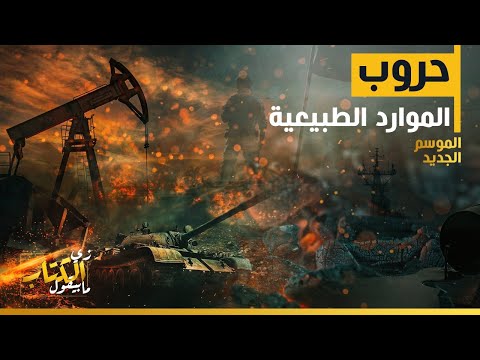
زي الكتاب مابيقول - حروب الموارد الطبيعية
The Impact of the Industrial Revolution on Modern Society
Overview of the Industrial Revolution
- The speaker discusses the significance of the Industrial Revolution as a pivotal event in modern history, emphasizing its ongoing effects on industrial methods.
- Initially, coal was the primary energy source for various industries until petroleum emerged in the 1940s, leading to widespread adoption due to its efficiency.
Transition from Coal to Petroleum
- A study by Toronto University researchers highlights that while many reasons have been proposed for this transition, Bernard Durand's book suggests that petroleum provided not only a cheaper alternative but also reduced labor-intensive mining processes associated with coal.
- Wealthy individuals who recognized petroleum's potential became some of the richest people globally, such as John Rockefeller with Standard Oil.
Geopolitical Implications of Oil Dependency
- The realization that natural resources are crucial for future prosperity led nations to invest heavily in oil production.
- American researcher Andy Stern notes that conflicts over oil began during this period, indicating a dependency where sudden oil shortages could collapse global economies.
Historical Conflicts Driven by Oil
Major Wars and Crises Linked to Oil
- The speaker references several historical conflicts influenced by oil, including U.S.-Cuba tensions during the Cuban Missile Crisis and Gulf Wars driven by oil interests.
- Events like the 1973 oil embargo significantly impacted global prices and supply chains, demonstrating how geopolitical actions can affect economies worldwide.
Recent Economic Shifts Due to Global Events
- Studies show an 85% drop in oil prices between late 2019 and early 2020 due to COVID-19 impacts on demand.
- Ongoing disputes among OPEC+ countries regarding production levels further complicate international relations and economic stability.
Resource Conflicts Beyond Oil
Emerging Resources: Phosphate Wars
- Former U.S. petroleum engineer Gary Vogler questions whether Iraq's war was primarily about oil; he discovered systematic plans for extracting Iraqi oil were integral to military strategies.
- Phosphates have become another focal point for conflict; reports indicate tensions between Russia and Iran over phosphate extraction rights in Syria.
Case Study: Syrian Phosphate Conflict
- In 2018, Syria signed contracts with Russian companies for phosphate mining rights amid Iranian opposition seeking similar access.
- Military confrontations ensued as both nations sought control over these valuable resources within Syria’s borders.
Broader Implications of Resource Control
Historical Context: Western Sahara Conflict
- The withdrawal of Spanish forces from Western Sahara led Morocco to assert claims over resource-rich territories against local groups like Polisario Front advocating for independence.
Current Status of Resource Claims
- Despite international recognition efforts by Sahrawi Arab Democratic Republic (SADR), Morocco remains resistant unless sovereignty is maintained.
Uranium Conflicts in Africa
Resource-driven Civil Strife
- Research indicates uranium presence has fueled civil wars in African nations like Congo and Namibia due to local tribes' desires for autonomy linked directly to resource wealth.
Conclusion: Cycle of Exploitation
- The struggle over non-renewable resources leads not only to internal strife but also external exploitation where powerful nations benefit at the expense of local populations.