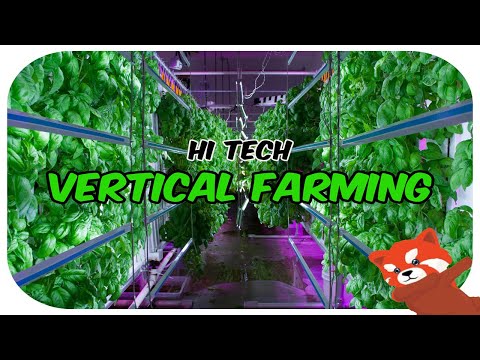
How hi tech vertical farming uses no soil and 95% less water
Vertical Farming: A New Approach to Agriculture
Introduction to Vertical Farming
- The video introduces vertical farming as a unique and relatively new technique for growing crops, distinct from traditional farming methods.
- It highlights the urgency of addressing food production challenges due to an expected population increase of 2 billion by 2050, exacerbated by urbanization and loss of arable land.
Current State of Arable Land
- Over the past 40 years, scientists report that one-third of Earth's arable land has been lost, emphasizing the need for innovative agricultural solutions.
- The market for vertical farms, referred to as "plant factories" in Asia, was valued at $403 million in 2013 with projections reaching $1.97 billion by 2020.
How Vertical Farming Works
- Vertical farming involves growing produce in vertically stacked layers, utilizing skyscraper-like designs and precision agriculture methods to maximize space.
- Three primary soil-free systems are used: hydroponics (nutrient solutions), aeroponics (air or mist environment), and aquaponics (integrating fish and plants).
Soil-Free Systems Explained
- Hydroponics:
- Predominantly used system where plants grow in nutrient-rich solutions without soil.
- Aeroponics:
- Developed by NASA; it uses air or mist environments with minimal water usage—up to 95% less than hydroponics.
- Aquaponics:
- Combines fish cultivation with plant growth; fish waste provides nutrients while plants filter water for fish.
Key Components of Vertical Farming
- Four critical areas define how vertical farming operates: physical layout, lighting, growing medium, and sustainability features.
- Physical layouts aim for maximum yield per square meter through stacked layers; optimal lighting is achieved using both natural and artificial sources.
Sustainability Features
- Vertical farms utilize non-soil mediums like peat moss or coconut husks while employing various sustainability practices that significantly reduce water usage—by up to 95%.
Advantages of Vertical Farming
- Preparation for Future Needs:
- With urban populations projected to rise significantly by 2050, vertical farming could play a crucial role in meeting future food demands.
- Increased Crop Production:
- One acre indoors can yield equivalent production to 4–6 acres outdoors; a multi-story building can potentially produce outputs comparable to thousands of acres of traditional farmland.
- Water Efficiency:
- Uses significantly less water compared to conventional methods—70–95% reduction possible.
- Weather Resilience:
- Indoor farms are insulated from adverse weather conditions such as floods or droughts that affect outdoor crops.
- Organic Crop Production:
- Controlled environments allow for pesticide-free organic crop growth due to the absence of chemical pesticides.
Human and Environmentally Friendly Aspects of Vertical Farming
Benefits of Indoor Vertical Farming
- Indoor vertical farming reduces occupational hazards for farmers by eliminating exposure to heavy machinery, diseases like malaria, and harmful chemicals.
- This method is beneficial for biodiversity as it does not disturb wildlife or natural habitats in inland areas.
Challenges Facing Vertical Farming
Economic Viability Concerns
- The financial feasibility of vertical farming remains uncertain due to high initial costs associated with building infrastructure and operational expenses.
- For instance, constructing a 60-hectare vertical farm can exceed $100 million, making urban locations financially challenging due to expensive real estate.
Labor and Pollination Issues
- Vertical farms require manual pollination since they operate in controlled environments without insects, leading to increased labor intensity and costs.
- Labor costs are elevated in urban centers where wages are higher; however, automation may reduce the need for workers over time.
Technological Dependencies in Vertical Farming
Risks Associated with Technology Reliance
- Vertical farming heavily relies on technology for essential functions such as lighting, temperature control, and humidity management.
- A power outage lasting just one day can result in significant financial losses for a vertical farm.
Crop Selection Strategies for Success
Key Crop Choices
- Selecting the right crops is crucial for the success of vertical farms; profitable options include lettuce, kale, chard, basil, chives, and mint.
- Some farmers have also successfully grown tomatoes and strawberries. The industry is still evolving as entrepreneurs seek effective business models.