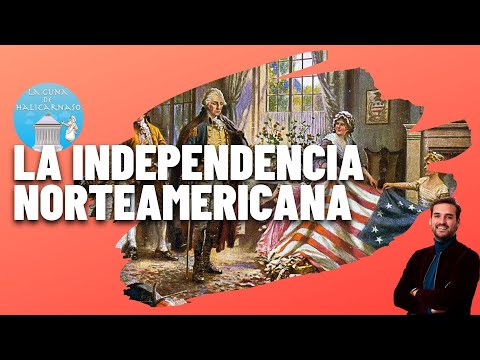
LA INDEPENDENCIA NORTEAMERICANA ⚔️ y el nacimiento de los EEUU 🇺🇸 (1765-1783)
Independence of the United States: A Cultural Reflection
The Significance of Independence Day
- The independence of the United States is one of the most documented and reproduced processes in culture, celebrated as a pivotal moment in history.
- American culture exerts significant influence globally, particularly through Hollywood films and television series like "The Simpsons."
- The American Revolution and July 4th are crucial dates in U.S. history that have shaped Western culture for centuries.
Colonial Context and Economic Differences
- By the mid-18th century, England maintained strict control over 13 colonies in North America, which were economically dependent on their mother country.
- Colonies were characterized by distinct economic activities; Northern colonies focused on industry while Southern colonies relied heavily on agriculture and slave labor.
Causes of Independence: European Influences
- The roots of American independence can be traced back to conflicts between major European powers, primarily England and France during the 18th century.
- The Seven Years' War (1756–1763), involving multiple nations including Spain as an ally to France, resulted in British victory but increased colonial taxation due to war expenses.
Rising Tensions Leading to Rebellion
- Post-war tax increases led to growing resentment among colonists towards British rule, culminating in events like the Boston Tea Party (1773).
- This act of protest against high taxes became symbolic within the American independence movement despite its limited immediate impact.
Outbreak of War and Key Figures
- In 1775, tensions escalated into armed conflict as Britain sent troops to quell rebellion; this marked the beginning of organized resistance from American patriots.
The Birth of a Nation: The American Revolution
Declaration of Independence and Its Significance
- In 1776, representatives from the 13 American colonies signed the Declaration of Independence, marking a pivotal moment in history that is frequently depicted in films and series.
- The declaration asserts the right to dissolve political ties with another nation when a long series of abuses indicates an intent to impose absolute despotism on the people.
- It emphasizes that it is both the right and duty of the people to overthrow such a government and establish new safeguards for their future security.
Ideals of Equality and Enlightenment Influence
- The phrase "all men are created equal" encapsulates key Enlightenment ideas, which can be explored further by pausing to read the text behind this assertion.
- The conclusion of the Revolutionary War in 1783 led to significant changes, including England's recognition that it could no longer maintain control over its colonies.
Formation of a New Republic
- The Treaty of Paris in 1783 recognized the birth of the United States as an independent nation, leading to the establishment of a republican state devoid of monarchy.
- This new republic was characterized by federalism, allowing for autonomy among various states—initially 13 but expanding later.
Separation of Powers and Constitutional Foundations
- Influenced by Enlightenment thinkers like John Locke and Montesquieu, the U.S. government adopted a separation of powers among executive (President), legislative (Congress), and judicial branches.
- George Washington became the first President, while legislative power was divided between the House of Representatives and Senate; judicial authority rested with judges.
Social Changes and Lasting Impact
- A wealthy and educated bourgeoisie emerged as leaders in this new society based on class rather than estate systems prevalent under feudalism.
- Key figures such as George Washington, Thomas Jefferson, and Benjamin Franklin played crucial roles in shaping this new nation’s identity.
- In 1787, the U.S. Constitution was signed—a foundational document inspired by Enlightenment principles that continues to govern today.
Legacy Beyond Borders
Turn any video into a summary like this
YouTube links, meetings, lectures. With transcripts, search, and chat.