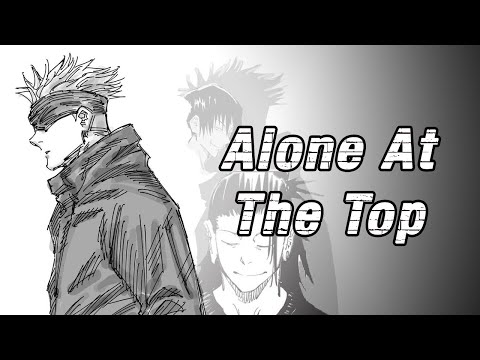
Satoru Gojo - Solitude in Strength (Jujutsu Kaisen)
Exploring the Themes of Loneliness and Strength in Jujutsu Kaisen
The Merciless World of Jujutsu Kaisen
- The narrative of Jujutsu Kaisen showcases a merciless world that spares no one from tragedy, as seen through various characters like Suguru Ghetto, who believes non-sorcerers must be eradicated to restore balance.
Gojo Satoru: The Strongest Yet Lonely
- Gojo Satoru is depicted as overwhelmingly powerful yet isolated; his strength instills fear among sorcerers, highlighting the theme of loneliness associated with power.
- The story delves into how Gojo's immense strength leads to isolation, particularly through his iconic abilities—Immeasurable Void and Limitless Technique.
Immeasurable Void and Its Implications
- Immeasurable Void overwhelms opponents with information, rendering them ineffective; this reflects Gojo's realization that strength alone cannot save those unwilling to be saved.
- Limitless Technique prevents anyone from reaching Gojo, symbolizing his emotional distance from others despite being the strongest sorcerer.
Conversations on Loneliness and Self-Sacrifice
- In a conversation with Megumi Fushiguro, Gojo emphasizes the solitary nature of jujutsu sorcery, urging Megumi to embrace selfishness for personal growth rather than relying on external help.
- This dialogue illustrates Gojo’s philosophy on strength—encouraging individuals to unleash their potential without being burdened by worries or expectations from others.
Post-Hidden Inventory: Changes in Gojo's Character
- After the events of Hidden Inventory, Gojo adopts a more lighthearted demeanor to combat his loneliness while interacting positively with students.
- His transformation post-Hidden Inventory contrasts sharply with his earlier bluntness and egotism, suggesting an evolution in character driven by personal connections.
Identity and Responsibility in Jujutsu Sorcery
- Despite being perceived as merely a tool due to his strength, Gojo grapples with identity issues; he wishes for recognition beyond just being "the strongest."
- Uta’s willingness to take on responsibilities highlights the burdens placed upon strong individuals like Gojo and raises questions about identity tied solely to power.
Training the Next Generation
- Following Hidden Inventory, Gojo shifts focus towards training younger sorcerers; he aims not only for their combat readiness but also ensures they enjoy their youth amidst dangers.
Understanding Gojo's Philosophy and Relationships
Gojo's Approach to Training and the Jutsu World
- Gojo believes in training students like Yuji and Uta to control their strength rather than letting them die due to circumstances.
- He expresses distaste for the rigid structure of the Jutsu world, which prioritizes self-interest over genuine concern for individuals.
- Despite his past willingness to resort to violence, Gojo now focuses on education and training as a means of fostering future successors.
- The fear surrounding Gojo stems from his overwhelming strength, leading others to create barriers against him.
- Gojo embraces his identity as the strongest sorcerer, using it as a source of fulfillment despite its isolating nature.
The Contrast Between Gojo and Toji Fushiguro
- Toji serves as a direct contrast to Gojo; while one is infamous among sorcerers, the other remains invisible due to lacking cursed energy.
- Toji’s invisibility makes him a formidable opponent, compensating with immense physical prowess despite being deemed a failure by his clan.
- His goal is self-affirmation through destruction of those who rejected him, particularly targeting strong figures like Gojo.
- Their battle symbolizes contrasting identities: one seeks validation through power while the other strives to maintain his status amidst challenges.
- A pivotal quote highlights how much weight Gojo places on his title; it defines him more than personal relationships or losses.
The Dynamic Between Gojo and Suguru Geto
- Suguru Geto is portrayed as a soulmate figure for Gojo, sharing deep trust and understanding developed over time.
- Their relationship evolves such that their beliefs influence each other significantly throughout their interactions in Hidden Inventory.
- Initially depicted as arrogant and dismissive towards weakness, young Gojo reflects typical teenage behavior amplified by his talent.
Character Dynamics: Gojo and Ghetto
Contrasting Ideologies
- Ghetto's belief system emphasizes the need for purpose in actions, particularly in jutsu, which he sees as a means to protect the weak. This contrasts with Gojo's more carefree attitude.
- While both characters view themselves as the strongest, Ghetto acts as a moral compass for Gojo, guiding him towards politeness and awareness of his impact on others.
Evolution of Relationships
- The narrative shifts when they are tasked with protecting Riko Amanai, leading to gradual changes in their perspectives; Gojo becomes more compassionate despite initial reluctance.
- Gojo risks personal safety to ensure Riko enjoys her last days before merging with Tengen, showcasing his growth beyond mere strength.
Moral Dilemmas and Consequences
- A pivotal moment occurs when Gojo contemplates violence against a religious group after Riko's death; Ghetto’s influence prevents him from acting on these darker impulses.
- The relationship dynamics shift significantly; without Ghetto’s guidance, Gojo could have adopted a more ruthless mindset similar to that of Ghetto later in the story.
Diverging Paths
- As events unfold, Gojo achieves enlightenment and automates his Limitless technique while Ghetto is left behind, highlighting their diverging paths due to differing ideologies.
- The emotional toll on both characters is evident; Gojo feels isolated after losing his closest ally who understood him best.
Core Beliefs and Their Impact
- Ghetto grapples with existential questions about worthiness and protection after witnessing atrocities like Amanai's death. His beliefs are shaken by societal injustices he observes.
- Despite evolving views on jutsu usage for future generations (Gojo), Ghetto remains steadfast in his principles—actions must have clear reasons behind them.
Final Confrontation Insights
- In their last confrontation during "Hidden Inventory," it's ironic that while Ghetto prevents Gojo from going rogue initially, it is ultimately Gojo’s strength that leads to Ghetto’s downfall into madness.
- Throughout "Jujutsu Kaisen Zero," it becomes clear that Ghetto does not force beliefs upon others but rather inspires loyalty through shared vision—a stark contrast to how he was once perceived by others.
Character Development Reflections
- The evolution of both characters reflects deeper themes of morality and strength; despite becoming antagonists at different points, they retain care for those around them—Ghetto shows concern for sorcerers' well-being even amidst chaos.
Gojo and Sukuna: A Complex Relationship
Gojo's Connection to Ghetto
- Gojo exhibits mannerisms similar to Ghetto, particularly in how he provokes others, reflecting a deeper connection despite their differences.
- Despite the turmoil between them, Gojo maintains trust in Ghetto, recognizing him as one of the few who understood his humanity beyond being "the strongest."
The Nature of Strength and Loneliness
- Gojo and Sukuna share similarities; Sukuna represents a version of Gojo unconcerned with loneliness, living solely for personal thrill and strength.
- Sukuna’s ideology emphasizes freedom from attachments, viewing companionship as a weakness that hinders true strength.
Ideological Contrasts Between Gojo and Sukuna
- While both characters value strength, their motivations differ significantly; Gojo fears loneliness while Sukuna embraces it.
- Their contrasting views on coordination highlight how relationships can weaken one's power; Gojo believes he will ultimately die alone regardless of connections.
Understanding Pain and Struggles
- Sukuna acknowledges human struggles but remains indifferent to them; he values strength above all else.
- This indifference leads to a compelling dynamic where both characters understand each other's solitude yet respond differently—Gojo seeks connection while Sukuna revels in chaos.
Death and Identity
- Both characters view death as stripping away their identities tied to strength; for Gojo, death signifies losing his title as the strongest.
- In contrast, Sukuna sees death as liberation from constraints associated with being strong. Their climactic fight symbolizes this ideological clash.
The Climactic Confrontation
- The battle between Gojo and Sukuna serves as a conversation about their respective experiences with loneliness and strength.
Gojo's Fight: A Battle of Understanding
The Nature of the Fight
- The fight is portrayed as a deeply personal struggle for Gojo, emphasizing that it transcends mere combat; it's a conversation about identity and strength.
- Gojo faces Sukuna, who may be the only one capable of truly understanding him, contrasting with Ghetto's inability to relate to Gojo's immense power.
- Sukuna’s character development highlights his loneliness and obsession, showcasing a unique dynamic compared to Ghetto’s relationship with Gojo.
Character Dynamics
- Yor, unlike Ghetto, seeks to possess Sukuna completely while failing to grasp his true essence; this reflects her selfishness and insanity.
- Despite Gojo's belief that sorcerers die alone, he is surrounded by people who care for him, indicating he is not as isolated as he perceives.
Understanding Loneliness
- Gojo relates to Sukuna’s solitude more than anyone else in the series; their connection reveals the tragic reality of being admired yet misunderstood.
- The narrative suggests that even those close to Gojo fail to comprehend his true self, reinforcing the theme of isolation despite external admiration.
Conclusion of Their Encounter
- Ultimately, only Sukuna understands Gojo fully after their battle; this realization serves as a poignant conclusion for Gojo’s character arc.
- The expression on Gojo's face when confronted by others indicates his frustration at being misinterpreted throughout his life.
Irony in Understanding