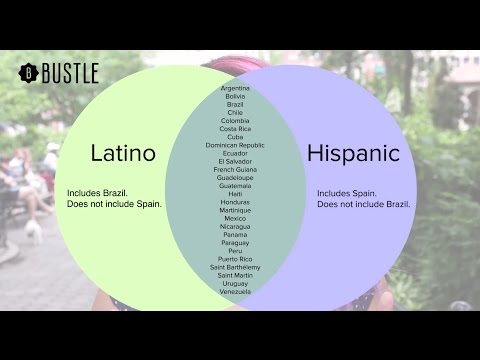
What's the difference between Hispanic, Latino, and Spanish?
Understanding the Differences: Latina, Hispanic, and Spanish
Geographic and Cultural Distinctions
- The terms "Latina," "Hispanic," and "Spanish" are often used interchangeably by the media, but they have distinct meanings based on geography and cultural context.
- Hispanic refers to individuals of Spanish-speaking origin or ancestry, while Latino focuses on those from Latin America, including Brazilians who speak Portuguese.
- The term Spanish describes someone from Spain; it is both a nationality and a language. This distinction is similar to how Italian functions as both.
Identity Complexities
- There is confusion regarding racial identity within these terms; for example, one can be Black and Latina. The speaker argues that all individuals affected by colonization could identify as Latina or Hispanic.
- Many Latin Americans may not want to identify with the term Hispanic due to its connection with Spain's colonial history.
Historical Context
- The concept of Hispanic creates a sense of community linked to Spain, whereas Latino connects more deeply with the history of colonization in Latin America.
- Colonization has lasting effects today, influencing cultural identity through lost histories and erasure of native languages.
Social Constructs of Identity
- None of these identities are perfect; they are socially constructed terms primarily used in the U.S., leading to misconceptions about race among Latinos.
- The speaker notes that many Latinos with African ancestry prefer using terms that better reflect their heritage until a more inclusive term emerges.