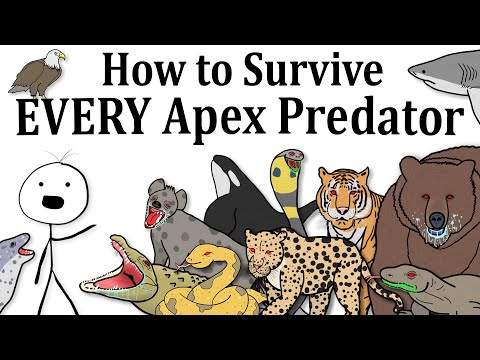
How to Survive Every Apex Predator

How to Survive Every Apex Predator

How to Survive Encounters with Apex Predators

Introduction to Apex Predator Encounters

  • The video begins by discussing the least aggressive apex predators, starting with eagles. It emphasizes that knowledge is crucial for survival against these animals.

Fighting an Eagle

  • To defend against an eagle, cover your head and face while keeping your eyes exposed to see its approach.
  • As the eagle attacks, use this moment to grab it securely by its body and head, deciding whether to slam it down afterward.

Encountering Leopard Seals

  • There are only two recorded leopard seal attacks on humans; one was fatal. Keep eye contact with the seal during an encounter.
  • Depending on your body type, anticipate either a bite-and-thrash or a bite-and-drag attack from the seal.
  • Counter by gouging its eyes and punching its snout until it releases you, allowing for escape.

Defending Against Pythons

  • Pythons are unique as you can choose to walk away; however, if engaged, control their head while unwrapping them from your body.
  • Maintain a standing position to prevent full constriction strength from the snake.

Giant Otters and Hyenas

  • For giant otters: pick them up and body slam them in self-defense.
  • In case of hyena attacks at night: stay calm, avoid turning your back, and mimic their movements to deter aggression.

Orcas: A Unique Challenge

  • Orcas are described as easy apex predators; panic may be a natural response when encountering one in open water.

Komodo Dragons: Speed vs. Strategy

  • With 24 recorded attacks since 1974 (five fatalities), sprinting away is often effective due to their poor stamina.
  • If engaging directly, exploit their mobility issues by running in zigzag patterns during their charge.

King Cobras: The Calm Approach

  • King cobras kill about five people annually; staying calm and backing away slowly is essential if cornered.

Jaguars: Avoid Eye Contact

  • When encountering a jaguar, avoid eye contact and back away slowly without turning your back on it.

Mountain Lions: Mental Warfare

  • In North America, mountain lions have caused around 30 fatalities since 1868. Maintain eye contact and appear larger through yelling or raising arms.

Alligators: Know Your Environment

  • Alligator encounters should be avoided entirely; if they engage you in a fight, bait their charge attack for easier evasion.

Bears: Different Strategies for Grizzlies vs. Polar Bears

  • Over 40 bear attacks occur yearly; play dead if attacked by grizzlies but fight back against polar bears targeting sensitive areas like eyes or nose.

Wolves: Stand Your Ground

  • With around 500 wolf attacks reported since 2002, do not run but stand firm while appearing intimidating.

Sharks: Stay Calm Underwater

  • Sharks average about 70 annual human attacks; maintain eye contact while moving towards safety. If attacked push gently before striking vital areas like snout or gills.

Tigers & Lions: What Not To Do

  • Both species require mental warfare tactics such as appearing large and avoiding any submissive behavior like laying down or running away during encounters.

This structured summary provides insights into how individuals can prepare for potential encounters with various apex predators based on specific strategies discussed throughout the video transcript.

Video description

In this video, I'll break down how to survive an encounter with every major apex predator that has been known to attack humans. Business inquiries & brand partnerships: JBorrayo@lvl3productions.com From the skies to the depths of the ocean, I will cover the tactics you need to know if you ever find yourself face to face with nature’s deadliest hunters. We start with the eagle, whose razor-sharp talons can inflict deep wounds, and explain why covering your head and eyes is crucial. Moving into the icy waters, the leopard seal, a swift and aggressive predator, requires you to stay calm, make yourself appear larger, and slowly retreat without splashing. When dealing with a reticulated python, one of the largest snakes on Earth, your survival depends on preventing constriction and targeting the snake’s head and eyes. The hyena, a powerful pack hunter with bone-crushing jaws, can often be deterred by making loud noises, appearing dominant, and never turning your back. Encounters with an orca, the ocean’s top predator, are rare, but survival comes from avoiding splashing, staying calm, and sticking close to boats or solid surfaces. On land, the Komodo dragon’s venomous bite means distance is your best ally, use sticks, rocks, or anything at hand to keep it away. The king cobra, capable of delivering lethal venom, requires absolute stillness, slow retreat, and never making sudden movements. With the jaguar, known for skull-crushing bites, fighting back aggressively, especially aiming for sensitive areas like the eyes, is your best chance. When facing a mountain lion, standing tall, making loud noises, and maintaining eye contact can prevent an attack, but if it strikes, fight back with everything you have. An alligator or crocodile attack is best countered by targeting the eyes and snout, and if dragged into a “death roll,” rolling with it while striking sensitive areas can save your life. The great bears require different strategies: with a grizzly bear, playing dead after an initial charge can spare you, while with a polar bear, you must fight back fiercely since they see humans as prey. A wolf encounter often involves a pack, stand tall, don’t run, and use sticks or rocks to defend yourself if attacked. In the ocean, the bull shark, tiger shark, and great white shark all require calmness, avoid frantic movements, maintain eye contact, and if attacked, strike the eyes, gills, or snout to deter them. Finally, with big cats like the tiger and lion, intimidation is key before an attack, stand tall, make noise, never turn your back, and if the worst happens, fight back with total aggression aimed at the face and eyes. This guide arms you with knowledge that could make the difference in a once in a lifetime encounter with Earth’s most powerful predators. 0:00 17 - Eagle 1:12 16 - Leopard Seal 2:23 15 - Reticulated Python 3:51 14 - Giant Otter & 13 - Hyena 5:09 12 - Orca 5:51 11 - Komodo Dragon 7:04 10 - King Cobra 7:52 9 - Jaguar 9:16 8 - Mountain Lion 10:32 7 - Alligator 11:28 6 - Grizzly Bear and Polar Bear 13:16 5 - Wolf 14:21 4 - Tiger Shark, Bull Shark, and Great White Shark 15:43 3 - Tiger 17:03 2 - Lion 18:08 1 - Saltwater and Nile Crocodiles