UD4 Normas de PRL y protección ambiental 3
Specific Prevention Measures for Electrical Risks
Importance of Proper Grounding
- A correct grounding system is essential in workshops to divert static electricity, which can cause sparks and damage electronic circuits.
- Grounding acts as a "drain" for static electricity, connecting to the earth through a cable that runs into the ground, ensuring safety in electrical environments.
Handling Sensitive Equipment
- Special care must be taken when manipulating power supplies and printers due to their internal circuitry, which can retain significant electric charge.
- Knowledge of equipment design is crucial; components like capacitors and transformers can pose high voltage risks even after being powered off.
Working with High Voltage
- Awareness of proximity to high-voltage transmission lines is necessary; while uncommon in typical workshops, caution is still required around accessible connections.
- Low voltage (e.g., 220 volts) can also be dangerous; precautions should be taken to avoid contact with live circuits or exposed wires.
Safety Precautions
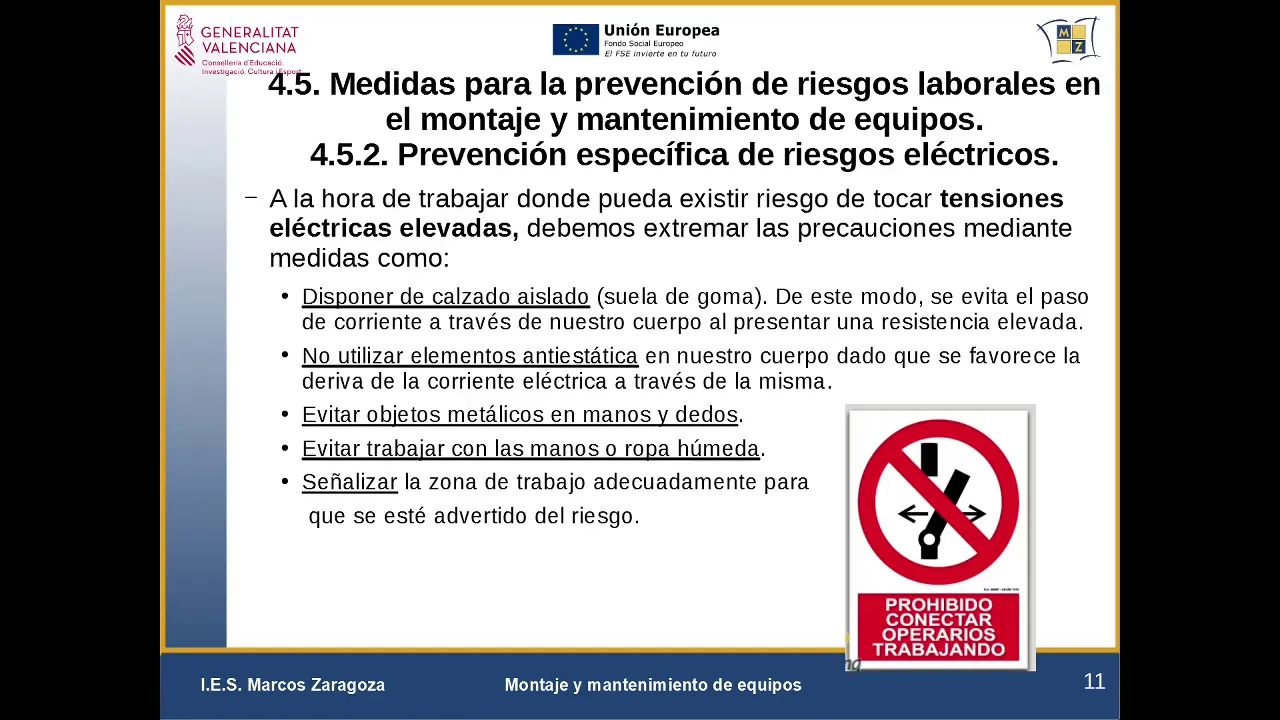
- Wearing insulated footwear made from rubber helps prevent electric current from passing through the body by keeping the circuit open.
- Insulated shoes minimize risk but are not foolproof; they significantly reduce the chance of electric shock when working near live circuits.
Anti-static vs. Insulating Gear
- While anti-static gear is beneficial for protecting sensitive electronics, it may facilitate low-level currents that could harm users if handling high-voltage equipment.
Effects of Electric Current on the Human Body
Understanding Electric Current as a Closed Circuit
- The human body can conduct electric current, transforming it from an open circuit to a closed circuit, which poses risks of electrical damage.
- Online resources can be utilized to research the effects of high voltage electricity; specific searches can be restricted to certain websites for more focused information.
Risks Associated with Electric Current
- Exposure to electric current can lead to severe health issues such as electrocution, ventricular fibrillation (loss of heart rhythm), and even cardiac arrest.
- Increased intensity of electric current correlates with a higher probability of causing ventricular fibrillation, which disrupts the heart's ability to pump blood effectively.
Technical Studies and Guidelines
- Technical studies highlight the chaotic movement in the heart caused by excessive electricity, leading to critical health risks.
- Graphical representations illustrate how lower internal impedance facilitates easier passage of electric current through the body, particularly affecting vital organs like the heart.
Safety Measures and Recommendations
- To prevent electrical hazards, it's crucial to avoid handling metallic objects when working with electricity and refrain from using wet hands or clothing since water is a good conductor.
- Proper signage should be placed in work areas indicating high voltage connections to alert individuals about potential dangers associated with electrical equipment.
Practical Considerations for Technicians
Turn any video into a summary like this
YouTube links, meetings, lectures. With transcripts, search, and chat.