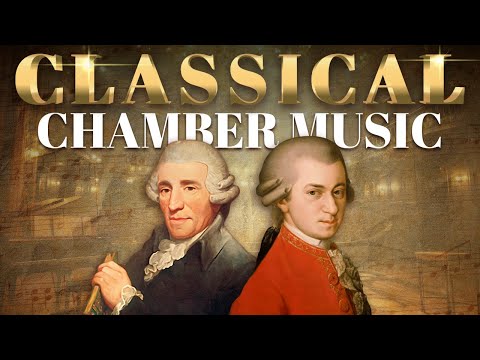
Music Appreciation: Lecture 11 - Classical Chamber Music (Haydn & Mozart)
Introduction to Music Appreciation Live Stream
Overview of the Session
- The live stream begins with a welcome message, indicating that it is part of a music appreciation course.
- The instructor explains that the live streams are not mandatory for students but serve to keep content current and engaging.
- Emphasis on making the sessions interactive and fun while sharing stories and insights about classical music.
Goals for Today's Lecture
Key Topics Covered
- The session will focus on chamber music, specifically discussing Haydn and Mozart.
- Six main goals include defining chamber music, exploring string quartets, analyzing Haydn's "Emperor" quartet, and discussing Mozart's "A Little Night Music."
Understanding Chamber Music
Definition and Characteristics
- Chamber music is defined as music for 2 to 10 players where each musician plays their own part without a soloist.
- It is likened to a conversation among friends in a coffee shop, emphasizing collaboration among musicians.
Structure of String Quartets
Movement Breakdown
- A typical string quartet consists of four movements: fast (Sonata Allegro), slow (ABA or theme variations), dance-related (minuet/trio), and fast finale (Sonata Allegro or Rondo).
- The importance of understanding these structures is highlighted for assignments related to Haydn's "Emperor" quartet.
Analyzing Haydn's "Emperor" Quartet
Musical Elements
- Instrumentation includes two violins, viola, and cello; the melody features lyrical phrases with repetitions.
- Rhythmic structure is simple yet incorporates syncopation in later variations; harmony primarily in G major with chromaticism present.
Story Behind the "Emperor" Quartet
Historical Context
- The movement was inspired by a hymn written for Emperor Franz Joseph during Napoleon’s invasion of Vienna in 1796.
- This piece became Austria’s national anthem until political changes led to its replacement in 1947.
Exploring Joseph Haydn's Life
Composer Background
- Haydn was influenced by folk songs from his hometown; he had a significant impact on classical music as one of its most prolific composers.
- He served under the Esterházy family for nearly three decades, producing numerous symphonies and string quartets during this time.
Other Forms of Chamber Music
Examples Beyond String Quartets
- Various forms include duo sonatas (violin/cello & piano), piano trios, quintets with different instrument combinations, etc.
Introduction to Mozart's "A Little Night Music"
Composition Details
- Originally composed for strings with an added double bass; it serves public entertainment purposes with lively melodies.
Preparing Assignments Related to Mozart
Active Listening Strategies
- Students are encouraged to actively listen while using study guides as aids during their musical journey.
Understanding Mozart's Journey and Influence
The Challenge of Music Appreciation
- The instructor encourages students to move beyond surface-level appreciation of music, urging them to connect melodies with deeper meanings that resonate with listeners.
Background on Wolfgang Amadeus Mozart
- Mozart, born in Salzburg in 1756, was an Austrian composer known for his exceptional skills as a pianist and violinist.
- His father, Leopold Mozart, was a prominent violinist and composer who played a significant role in shaping Wolfgang's early career through organized concert tours.
Early Life and Education
- The importance of touring is highlighted; it parallels the experiences of other child prodigies like Michael Jackson, emphasizing the impact of early exposure to performance.
- Discussions around parental influence reveal both positive encouragement and potential negative aspects such as "helicopter parenting" or vicarious living through children.
Career Development and Challenges
- Mozart rebelled against the patronage system after being dismissed by the Archbishop of Salzburg, leading him to pursue a freelance career at age 25.
- Despite initial struggles with financial stability post-dismissal, he remained committed to his dream of composing operas.
Major Works and Personal Life
- Notable operas include "The Marriage of Figaro" and "Don Giovanni," showcasing his collaboration with librettist Lorenzo Da Ponte.
- Mozart married Constanze Weber against his father's wishes; despite health issues later in life, he continued producing masterpieces until his death.
Key Attributes That Define Mozart as a Prodigy
Characteristics Contributing to His Genius
- Mozart composed over 20 operas across various genres including comic opera and serious opera while favoring string instruments.
- He was recognized for simple yet elegant melodies that conveyed diverse moods ranging from dramatic to playful.
Factors Behind His Success
- Four key factors are identified that contribute to Mozart's status as a child prodigy:
- Parental Support: He had supportive parents who nurtured his talents.
- Perfect Pitch: This ability allowed him to identify notes accurately regardless of distance.
- Photographic Memory: At age 14, he demonstrated this skill by transcribing music heard at the Sistine Chapel perfectly.
- Early Tours: Touring from a young age provided invaluable performance experience.
Legacy and Final Years
Reflection on Family Contributions
- While Leopold receives much credit for guiding Wolfgang’s career, Anna Maria also played an essential role in supporting her son’s musical journey.
Death and Lasting Impact
- Wolfgang Amadeus Mozart passed away on December 4th, 1791. Possible causes include rheumatic fever or heart disease due to health struggles throughout his life.
Closing Thoughts on His Artistry
- A quote from Mozart emphasizes the dedication behind his art: “People make a mistake who think that my art has come easily to me...”
This structured overview captures key insights into Wolfgang Amadeus Mozart's life, influences, challenges faced during his career development, defining characteristics contributing to his genius as well as reflections on family support.