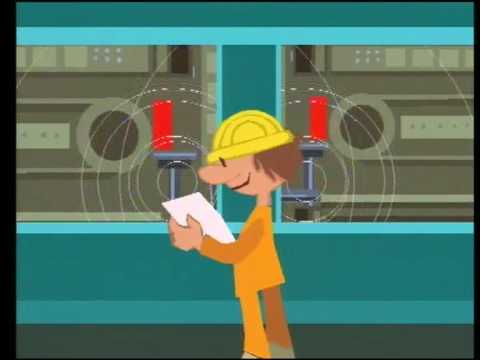
¡Cuídate! prevención de riesgos laborales en el trabajo
Understanding Workplace Risks and Health
The Historical Context of Work
- Since ancient times, both men and women have had to work to earn a living, often facing difficulties and dangers in their jobs.
- Work can lead to accidents or illnesses that may affect health temporarily or permanently; thus, defending one's health is a fundamental right and duty.
Identifying Risks in the Workplace
- The first step in risk management is identifying potential hazards related to safety conditions, environmental factors, chemical exposure, physical demands, and organizational structure.
- Professional risks exist in all work situations that could disrupt an individual's physical, mental, or social balance.
Minimizing Risks Through Prevention
- The second step involves minimizing risks by improving working conditions through safety measures, hygiene practices, occupational medicine training, and ergonomic solutions.
- Using inappropriate tools can cause accidents; therefore, maintaining tools in good condition is essential for safety.
Essential Working Conditions
- Workspaces must meet necessary standards for lighting, space organization, cleanliness, and proper signage.
- When handling loads:
- Protect your back by using legs for lifting while keeping the spine straight.
- Avoid excessive weights with mechanical aids.
- Ensure visibility of the load is adequate and balanced.
Electrical Safety Measures
- Proper grounding of electrical installations is crucial to prevent severe accidents.
- Poor maintenance can lead to serious consequences; lack of cleanliness and ventilation increases fire hazards. Fire extinguishers should be easily accessible and clearly marked.
Industrial Hygiene Considerations
- Presence of contaminants at work can harm health; workplaces must have systems for detection and control of noise, vibrations, heat exposure, toxic substances, vapors or biological agents within safe limits.
Importance of Medical Surveillance
- Regular medical check-ups are advisable annually along with adherence to preventive health guidelines including vaccination campaigns.
Training as a Preventive Measure
- Evolving work methods necessitate worker adaptation; lack of information may lead to resistance against changes.
- Training aims to provide knowledge that alters attitudes and enhances skills for accident prevention.
Ergonomics in Workplace Design
- Ergonomics focuses on designing workstations suited for individuals:
- Minimize unnecessary movements,
- Ensure workspace height allows slight forward lean,
- Maintain appropriate distance between eyes and objects being worked on,
- Keep manipulable mechanisms close to reduce fatigue.
Understanding Accidents at Work
- A workplace accident refers to any bodily injury sustained by a worker during their employment activities.
Long-term Health Implications
- Prolonged exposure to harmful working environments can result in occupational diseases due to gradual health deterioration over time.
Collective Responsibility for Health Protection
- Protecting health is a right for workers but also a responsibility for employers and the state.
Role of Regulatory Bodies
- Government agencies focused on preventing professional risks contribute through advisory roles by conducting studies on working conditions while providing educational resources like courses or publications aimed at improving workplace safety standards.