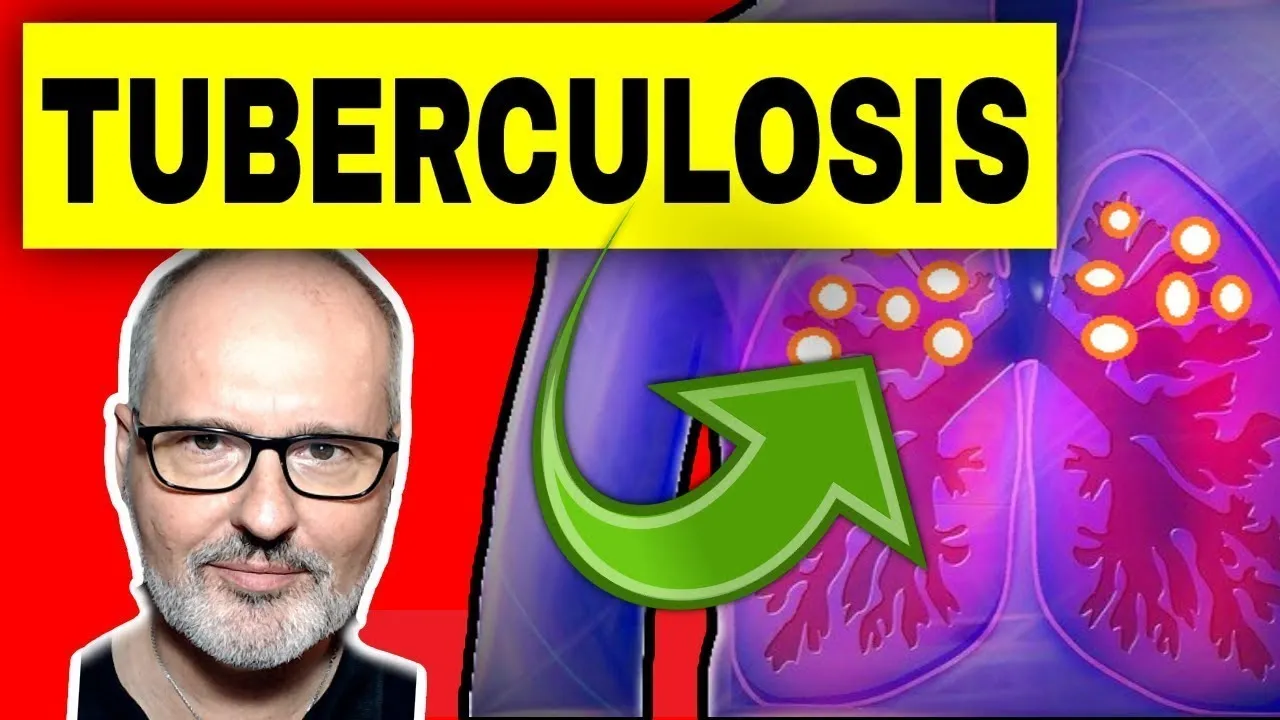
QUÉ ES LA TUBERCULOSIS: TODO LO QUE NECESITAS SABER
重要性と影響
セクション概要: チューブルクローシスは地球全体に影響を与える重要な問題であり、特にアジアとアフリカが最も影響を受けている。
チューブルクローシスの世界的な影響
- HIVやエイズ感染症の出現により、2000年代以降に発生率が増加しており、アフリカなどで広く見られる。また、耐性菌株の出現や病気の管理不足も影響している。
- 活動性感染症のケース数は約1000万人、死亡者数は年間約200万人である。これらは活動性感染症であり、実際のケース数はさらに多いことに留意すべき。
チューブルクローシスの概要
セクション概要: チューブルクローシスは伝染病であり、Mycobacterium tuberculosis(コッヒ菌)によって引き起こされ、主に肺を中心に他の臓器にも広がる可能性がある。
チューブルクローシスの特徴
- 肺だけでなく他の臓器も影響を受ける可能性があり、未治療時に致命的となる可能性がある。
- ラテント感染と活動性感染の2つのタイプがあり、ラテント感染では症状がない。活動性感染では他者へ伝播する可能性がある。
伝播方法と症状
セクション概要: チューブルクローシスは空気中のエアゾルを介して伝播し、肺結核や喉頭結核から感染する。その他の部位から感染する場合は通常伝播しない。
伝播方法と主な症状
- 肺結核や喉頭結核から伝播し、咳や話す際にバクテリアを拡散させる。親密な接触者や同僚が吸入することで感染する。
- 肺結核では乾いた咳から粘液質な咳へ進行し、血液混じりの咳(喀血)や胸部不快感を引き起こす。発熱や体重減少なども一般的な初期症状である。
異所性チューブルクローシス
セクション概要: 体内異所性チューブルクローシスでは臨床像が器官ごとに異なります。
異所性チューブルクローシスの兆候
- 腎臓への影響では腰部不快感や排尿時の不快感が現れ、尿中無菌ピウリア(白血球増加)もみられます。
- 各器官へ及ぼす影響はそれぞれ異なります。例えば脊椎へ侵入した場合はPOTT病と呼ばれます。肺結核以外でも特定器官ごとに兆候が現れます。
感染後の進行過程
セクション概要: Mycobacterium菌が呼吸器系まで到達することでチューブルコース初回感染(primoinfection)が始まります。
初回感染後の進行過程
Tuberculosis: Latent Infection and Active Disease
This section discusses the transition from latent tuberculosis infection to active disease, highlighting the factors that contribute to this progression.
Tuberculosis Progression
- Post-primary tuberculosis occurs in 5 to 10% of cases of latent infection due to factors such as weakened immune system from age, HIV infection, immunosuppressive treatments, or other diseases.
- Active tuberculosis manifests in 10% of cases, with 5% as primoinfection and another 5% as post-primary tuberculosis reactivation from latent infection.
- Latent tuberculosis occurs when the body neutralizes Mycobacterium tuberculosis during primoinfection, leading to asymptomatic individuals who are not contagious.
Diagnosis and Treatment
- Treatment is recommended upon detecting latent tuberculosis infection in 5-10% of cases to prevent progression to active disease.
- Diagnosis involves tuberculin tests, blood tests like IGRA (e.g., quantiferon), chest X-rays for lesions suggestive of TB, and sputum analysis for confirmation.
Risk Factors for Tuberculosis Infection and Disease Development
This section explores the populations most at risk of contracting tuberculosis and developing active disease based on exposure and individual health conditions.
Risk Factors for Infection
- Individuals in close contact with active TB patients are at high risk due to bacterial transmission.
- Healthcare workers have increased exposure risks while working in healthcare facilities where TB patients may be present.
- Living or working in environments with high transmission rates like homeless shelters or jails elevates the likelihood of infection.
Risk Factors for Disease Development
- Recent infections pose a higher risk of developing active TB compared to those with latent infections.
診断方法と検査
セクションの概要: この部分では、結核の診断方法と検査について詳しく説明されています。
結核の診断方法
- 結核の診断には、痰培養が用いられる。結果が出るまで最大8週間かかるが、確定診断を行うために重要である。
- 肺以外の結核感染を考える場合、関連する臓器から試料を採取する必要がある。例えば、腎臓なら尿、髄膜炎なら脊髄穿刺や生検が必要となる。
ワクチンとテスト
- BCGワクチンは結核予防のために使用される。陽性反応を引き起こす可能性があり、追加検査が必要となる。
- マントー試験は結核感染を判断するために使用され、BCGワクチン接種者では偽陽性反応を引き起こす可能性がある。
治療法
- 潜在性結核感染症の治療は通常イソニアジドまたはリファンピシン単剤または併用で行われ、治療期間は3〜9ヶ月間で個々の状況によって異なる。
What are Multidrug-Resistant and Extremely Resistant Tuberculosis?
This section discusses the characteristics of multidrug-resistant and extremely resistant tuberculosis, highlighting the implications of these conditions on patient health.
Multidrug-Resistant Tuberculosis
- Multidrug-resistant tuberculosis refers to strains resistant to isoniazid and rifampicin, two primary drugs for treatment.
Extremely Resistant Tuberculosis
- Extremely resistant tuberculosis is resistant to most antibiotics used against tuberculosis, indicating a severe condition.
Causes of Resistance
- Inadequate or incomplete treatment leads to bacterial resilience, requiring at least three months for complete eradication.
Alternative Treatments for Drug-Resistant Tuberculosis
This section explores alternative treatments for drug-resistant tuberculosis and their efficacy in combating the disease.
Alternative Treatments
- Approved antibiotic molecules like pretomanid, bedaquiline, and linezolid offer effective oral treatment options with good tolerability.
Side Effects of Anti-Tuberculosis Drugs
- Common side effects include skin rash, allergic reactions, digestive symptoms like nausea and vomiting. Isoniazid may cause neuropathy but can be managed with vitamin B6 supplementation.
Side Effects and Considerations in Tuberculosis Treatment
This section delves into specific side effects associated with anti-tuberculosis drugs and considerations during treatment.
Side Effects Overview
- Rifampicin may elevate transaminases and cause hepatic effects. Patients may experience harmless discoloration of body fluids like urine turning reddish-orange.
Drug Interactions & Recommendations
- Ethambutol can impact vision; caution advised with oral contraceptives due to reduced effectiveness. Alcohol consumption is not recommended due to potential liver effects.
Characteristics of Mycobacterium Tuberculosis
This segment outlines key characteristics of Mycobacterium tuberculosis essential for understanding the disease's nature.
Microbial Features
- Mycobacterium tuberculosis is an aerobic bacillus with a waxy cell wall containing mycolic acid, enabling resistance to desiccation and disinfectants.
Pathophysiology of Tuberculosis
The pathophysiology of tuberculosis is explained here, detailing how the bacterium enters the respiratory tract and triggers immune responses leading to infection progression.
Disease Progression
肺結核の進行と合併症
セクション概要: 肺結核の進行とその合併症について詳しく説明されています。
下部肺および上部肺への感染
- 下部肺や上葉に癒着性結核が残ることで感染が起こり、免疫系の弱体化によって再び増殖する可能性がある。
結核空洞形成と全身への影響
- 結核空洞から他の臓器や全身に広がり、全身的な重篤な結核(miliary tuberculosis)を引き起こす可能性がある。
栄養補助と結核治療
セクション概要: 栄養補助が結核治療や予防に与える影響について議論されています。
栄養補助品の有用性
- ピリドキシン(ビタミンB6)は神経障害を予防するために使用される。
低所得地域での栄養補助品研究
- 低所得地域では多くのサプリメントが調査されており、栄養不良は重要なリスク因子であることが示唆されている。
健康的な生活様式と栄養摂取