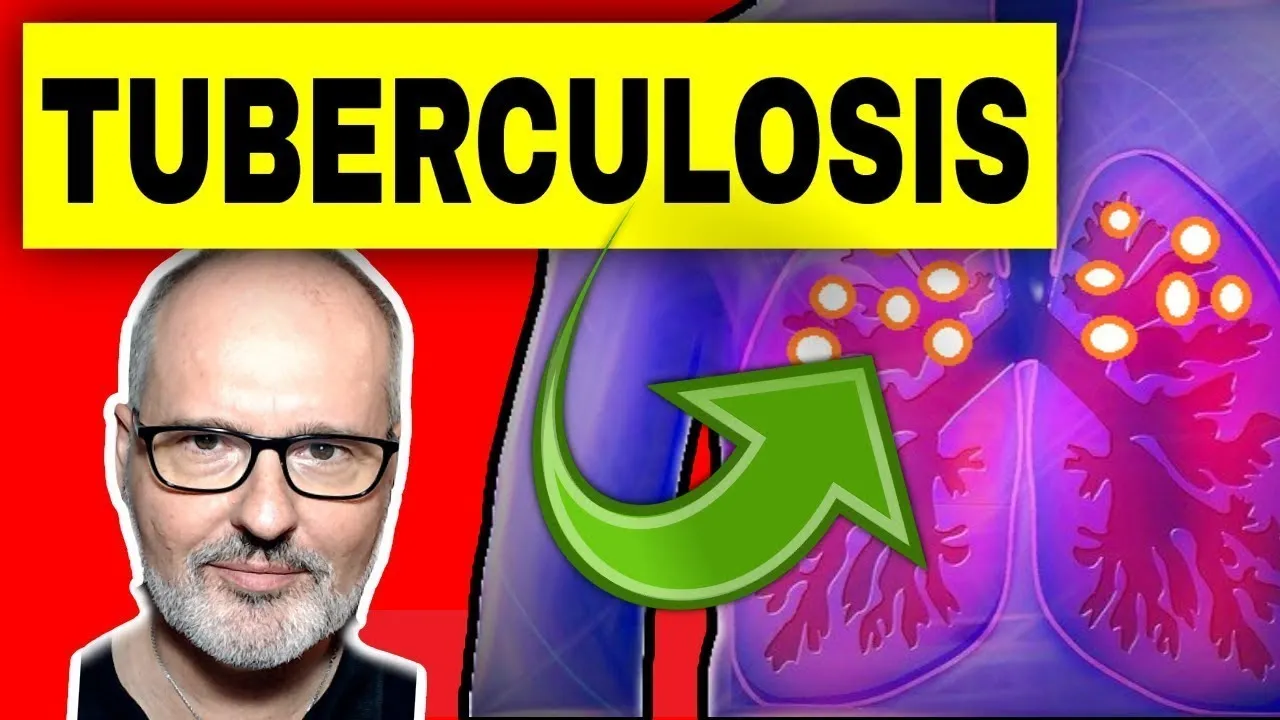
QUÉ ES LA TUBERCULOSIS: TODO LO QUE NECESITAS SABER
Introduction to Tuberculosis
The introduction provides an overview of tuberculosis as a global health issue affecting various regions and populations.
Understanding the Impact of Tuberculosis
- Tuberculosis incidence has risen since the 2000s due to factors like HIV/AIDS, lack of disease control, and emergence of multi-resistant strains.
- Active tuberculosis cases amount to around 10 million annually with approximately 2 million deaths, highlighting the severity of the disease.
- Tuberculosis can manifest as latent infection without symptoms in most cases, emphasizing the importance of early detection and treatment.
Symptoms and Spread of Tuberculosis
This section delves into the symptoms, transmission methods, and varied manifestations of tuberculosis.
Symptoms and Transmission
- Tuberculosis spreads through aerosols primarily from pulmonary or throat tuberculosis, making close contact a significant risk factor for transmission.
- Aerosol transmission is the primary mode; however, oral transmission through contaminated dairy products was noted but has become less prevalent due to pasteurization processes.
Clinical Presentation
- Pulmonary tuberculosis typically presents with coughing (dry progressing to productive), hemoptysis (coughing blood), chest discomfort, fever, night sweats, muscle pains, weight loss, and fatigue.
- Symptoms vary based on affected organs; kidney involvement may lead to urinary discomfort while meningeal tuberculosis can cause headaches and altered consciousness.
Progression and Types of Tuberculosis Infection
Exploring how tuberculosis progresses within the body and differentiates between latent infection and active disease.
Disease Progression
Tuberculosis Overview
In this section, the speaker discusses the progression of tuberculosis from latent infection to active disease and factors influencing its development.
Tuberculosis Progression
- Latent infection can become active after a few years, leading to post-primary tuberculosis.
- Post-primary tuberculosis occurs in 5 to 10% of cases of latent infection due to factors like weakened immune system or HIV infection.
- Active tuberculosis manifests in 10% of cases, with 5% as primoinfection and another 5% as post-primary tuberculosis.
Latent Tuberculosis
- Latent tuberculosis may remain asymptomatic with no spread of infection in most cases.
- However, 5 to 10% of individuals with latent tuberculosis may progress to active disease, primarily post-primary tuberculosis.
Risk Factors and Diagnosis
- Individuals at risk include those in contact with infected individuals, healthcare workers, and residents of high-incidence countries.
- Risk factors for developing tuberculosis include age, HIV infection, cancer treatment, organ transplant recipients, diabetes, and chronic renal disease.
Overview of Tuberculosis Diagnosis and Treatment
In this section, the speaker discusses the diagnosis and treatment of tuberculosis, covering various methods such as sputum analysis, PCR techniques, culture tests, BCG vaccine, tuberculin test, IGRA tests, and treatment protocols for both latent tuberculosis infection and active tuberculosis disease.
Sputum Analysis for Tuberculosis Diagnosis
- Sputum smear microscopy is conducted using the Nielsen test to detect acid-fast bacilli. If present, it indicates a positive result.
- PCR technique involving polymerase chain reaction is utilized to identify mycobacterium DNA presence.
- Sperm culture is performed to confirm diagnosis; results may take up to eight weeks but are considered the gold standard.
Extrapolmonary Tuberculosis Diagnosis
- Samples from affected organs are collected for analysis; e.g., urine for kidney involvement or lumbar puncture/biopsy for tuberculous meningitis suspicion.
BCG Vaccine and Diagnostic Challenges
- BCG vaccine aims to prevent severe TB forms in high-risk regions but complicates diagnostic tests like Mantoux test due to false positives post-vaccination.
- Mantoux test uses purified proteins from Mycobacterium tuberculosis intradermally on the forearm to assess induration after 48-72 hours for infection detection.
Tuberculosis Treatment Approaches
This section delves into treating latent tuberculosis infections (LTBI) with isoniazid or rifampicin based on age and risk factors to prevent progression to active TB disease. It also covers active TB treatment protocols involving isolation measures and drug regimens.
Latent Tuberculosis Infection (LTBI) Treatment
- Positive tuberculin or IGRA blood tests indicate LTBI necessitating treatment based on age and risk factors to prevent active TB development.
- Treatment typically involves isoniazid alone or in combination with rifampicin lasting three to nine months depending on patient circumstances and resistance profiles.
Active Tuberculosis Disease Management
- Isolation measures are crucial during active TB treatment with visitors wearing N95 masks; treatment duration usually lasts six months but can vary based on associated conditions.
What is Tuberculosis and its Resistance?
This section discusses the types of tuberculosis, including multidrug-resistant and extremely resistant strains, detailing their resistance to antibiotics used in treatment.
Types of Tuberculosis Resistance
- Multidrug-resistant tuberculosis refers to strains resistant to isoniazid and rifampicin, the primary drugs for treatment.
- Extremely resistant tuberculosis is even more challenging as it resists most antibiotics due to incomplete or improper treatment.
Alternative Treatments and Side Effects
This part explores alternative antibiotic treatments like pretomanid, bedaquiline, and linezolid for drug-resistant tuberculosis along with their side effects.
Alternative Treatments
- New antibiotic molecules such as pretomanid, bedaquiline, and linezolid show promise in treating drug-resistant tuberculosis effectively.
Side Effects of Anti-Tuberculosis Drugs
- Common side effects include skin rash, digestive symptoms like nausea and vomiting, neuropathy with isoniazid requiring vitamin B6 supplementation.
Adverse Effects of Anti-Tuberculosis Drugs
This segment delves into specific adverse effects of anti-tuberculosis drugs like hepatic toxicity and coloration of body fluids.
Adverse Effects
- Isoniazid may cause peripheral neuropathy but can be prevented with vitamin B6 supplementation. Rifampicin can lead to hepatic effects and discoloration of body fluids without harm.
Characteristics of Mycobacterium Tuberculosis
Here, the characteristics of Mycobacterium tuberculosis are discussed in terms of its structure and resilience.
Characteristics
- Mycobacterium tuberculosis is a strict aerobic bacillus with a waxy cell wall containing mycolic acid that aids in resisting desiccation and disinfectants.
Pathophysiology of Tuberculosis
The pathophysiology of tuberculosis is explained from how the bacillus enters the respiratory tract to the formation of granulomas.
Pathophysiology Details
Detailed Explanation of Tuberculosis Progression
This section delves into the progression of tuberculosis within the body, focusing on how scar tissues form in the lower part of the lung and discussing how dormant mycobacterium can become active due to a weakened immune system.
Scar Tissues and Infection
- Scar tissues from tuberculosis are often found in the lower part of the lung and supleurals.
- Infections can occur in these scarred areas but may be overcome with treatment.
Reactivation of Mycobacterium
- Dormant mycobacterium in the Ghon complex can become active after months or years, especially when the immune system weakens.
- Factors like age, HIV infection, or other diseases can trigger mycobacterium multiplication.
Complications and Dissemination of Tuberculosis
This segment explores potential complications arising from tuberculosis, such as caseous necrosis leading to cavitation or tuberculous caverns that can disseminate throughout various organs.
Caseous Necrosis and Cavitation
- Caseous necrosis may result in cavitation or tuberculous caverns primarily in upper lung lobes.
Dissemination to Organs
- Tuberculous cavities from upper lobes can spread to other parts of the lung or external organs causing miliary tuberculosis.
- Miliary tuberculosis can affect multiple organs like kidneys, meninges, liver, bone marrow, adrenal glands.
Supplements for Tuberculosis Treatment
This part discusses the role of supplements in tuberculosis treatment and prevention while highlighting limited evidence supporting their efficacy.
Role of Supplements
- Evidence supporting supplements like vitamin B6 (pitidoxin) is weak; it is sometimes used with histoneacid to prevent neuritis.
Investigated Supplements
- Studies have explored hypercaloric supplements, vitamin D, E, A, C, zinc, cobalt, arginine but results are inconclusive.
Nutritional Support for Tuberculosis Patients
The importance of nutrition for tuberculosis patients is discussed along with general lifestyle recommendations for managing the disease effectively.
Nutritional Support Impact
- Nutritional supplements may benefit malnourished individuals by improving their condition during tuberculosis treatment.
Lifestyle Recommendations
- In industrialized countries with access to balanced diets and healthy lifestyles, strict adherence to treatment guidelines is crucial alongside nutritional support if specific deficiencies exist.