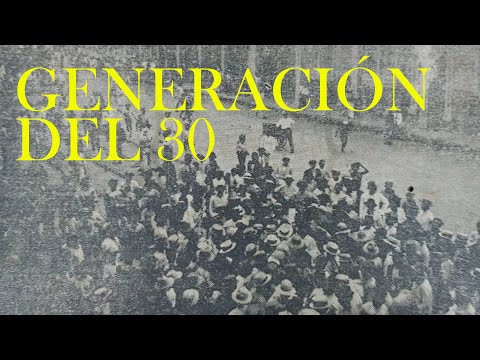
Generacion del 30 o Realismo social ecuatoriano
Realism in Ecuadorian Literature
Emergence of Realism
- The 19th-century literature depicted ideals such as beauty, virtue, and bravery.
- The realism movement emerged in Europe, with authors like Charles Dickens and Honoré de Balzac portraying society's demons and failures.
Ecuador's Literary Movement: Generation of '30
- In Ecuador, the realism movement was represented by the Generation of '30, which consisted of young writers sharing similar ideologies and historical contexts.
- This group focused on everyday life narratives that highlighted the customs and expressions of ordinary people.
Key Characteristics of Social Realism
- Social realism aimed to protest against injustices faced by minority groups in society.
- It featured characters from various social backgrounds including cholos, workers, indigenous people, montubios, and anonymous passersby.
Notable Authors and Works
Jorge Icaza
- Jorge Icaza is recognized as a leading figure in Ecuadorian indigenism with his famous work "Huasipungo," depicting harsh conditions faced by indigenous peoples.
Joaquín Gallegos Lara
- Joaquín Gallegos Lara’s personal struggles influenced his writing; he authored "Cruces sobre el agua," which recounts the massacre of workers in Guayaquil on November 15, 1922.
José de la Cuadra
- José de la Cuadra explored coastal life through a blend of reality and magic in works like "Washington" and "La Tigra."
Demetrio Aguilera Malta