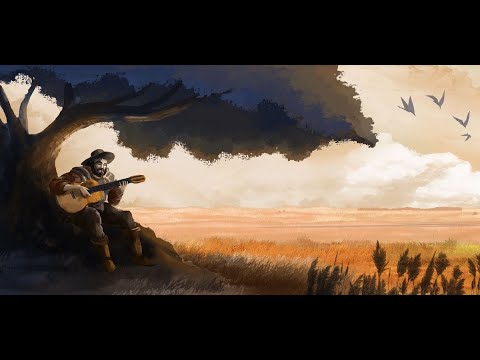
Martín Fierro - La Ida
The Concept of Oral Tradition in Literature
The Challenge of Recording Events
- The speaker presents a hypothetical scenario where a rooster battle occurs without any form of recording, emphasizing the loss of experience and understanding that comes with the absence of documentation.
- It is suggested that the only way to capture such an event would be through live writing, which often fails to convey the full essence due to audience distractions.
Historical Context of Literature
- Discussion shifts to two types of literature during a specific era: literature focused on struggle and gauchesque literature, highlighting their oral traditions linked to social gatherings in pulperías (bars).
- The speaker notes how these events involved improvisational battles using rhymes, drawing parallels between historical practices and modern freestyle rap.
Gauchesque Literature vs. Oral Tradition
- A distinction is made between gauchesque literature created by aristocrats versus authentic oral traditions from rural workers, illustrating class differences in literary production.
- "Martín Fierro" is introduced as a key work representing gauchesque literature, written by someone who studied in Europe but pretended to be a gaucho.
Themes in "Martín Fierro"
- The narrative explores Argentine identity through the lens of gaucho life, depicting struggles against colonial forces and societal changes.
- Martín Fierro's character embodies the plight of rural individuals facing displacement due to land appropriation by criollos (creoles).
Conflict and Betrayal
- As Martín Fierro confronts his forced enlistment into military service against indigenous peoples, he grapples with feelings of betrayal from those who promised protection for his family.
Desertion and Identity in "Martín Fierro"
The Antinomy of Criollo vs. Gaucho
- The book serves as a critique against the criollos, portraying them as treacherous rather than deceitful, establishing a new antinomy between criollos and gauchos.
- In this dynamic, the criollo is positioned as an enemy to both the gaucho and the indigenous people, suggesting that they share a common adversary in the criollos.
- The narrative explores how both gauchos and indigenous peoples have been wronged by criollos, leading to their mutual understanding and alliance against their oppressor.
Martín Fierro's Transformation
- Martín Fierro's decision to live among the indigenous reflects a return to his roots; he perceives this choice as reclaiming his identity after being marginalized by society.
- A pivotal scene occurs in a pulpería where Martín Fierro engages in conflict with another character, highlighting themes of honor and violence within social interactions.
Consequences of Desertion
- After killing an opponent during a bar fight, Martín Fierro transitions from being merely a deserter to becoming labeled as an assassin by the state.
- When confronted by police officers, instead of surrendering, he chooses to fight back heroically against overwhelming odds.
Unexpected Alliances