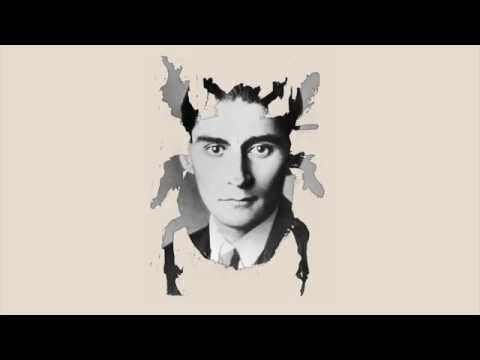
Video Essay: German Expressionism, Explained
German Expressionism in Film
Origins and Characteristics of German Expressionism
- German expressionism emerged in the 1910s to 1930s, characterized by distorted visuals and surreal imagery, moving away from realism.
- Influential works like Edvard Munch's "The Scream" and Franz Kafka's "Metamorphosis" exemplify extreme subjectivity, reflecting characters' inner experiences through visual distortion.
- The aftermath of World War I led to a surge in German film production, increasing from 24 films in 1914 to 130 films by 1918 due to a ban on foreign imports.
Themes Reflecting Societal Context
- Fritz Lang’s film "Dr. Mabuse, the Gambler" explores themes of mind control and manipulation, paralleling societal anxieties post-WWI.
- The sequel "The Testament of Dr. Mabuse," released shortly after Hitler's rise to power, reflects the manipulation tactics used by totalitarian regimes.
Influence on Future Cinema
- The theme of hypnosis and authority is central in "The Cabinet of Dr. Caligari," mirroring post-war Germany's psychological state while foreshadowing future authoritarianism.
- Many filmmakers who fled Nazi Germany brought expressionist styles to Hollywood, influencing genres such as film noir with its characteristic use of shadows.
Lasting Impact on Contemporary Film
- Although born from a specific historical context, German expressionism continues to influence modern cinema through its stylistic elements like sharp shadows and surreal imagery.