¿Qué son los CFC o CLOROFLUOROCARBONOS?
What Are Chlorofluorocarbons (CFCs) and Their Impact?
Overview of CFCs
- Chlorofluorocarbons (CFCs) are a family of compounds made up of carbon, fluorine, and chlorine atoms. They are non-toxic, non-flammable, and have low reactivity.
- Due to their physical properties, CFCs are effective as refrigerants and have extensive commercial applications including use in sprays, foams, insulators, and solvents.
Environmental Concerns
- In the 1980s, over one million tons of CFCs were released into the atmosphere annually without considering their adverse effects.
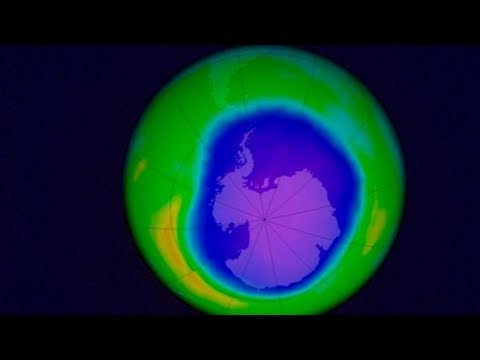
- A direct correlation was observed between CFC emissions and the size of the ozone hole each season. This is attributed to their low reactivity allowing them to reach the stratosphere.
Ozone Layer Depletion
- Once in the stratosphere, ultraviolet radiation photolyzes CFC molecules releasing chlorine radicals that participate in chemical reactions leading to ozone destruction.
- The depletion results in a reduction of stratospheric ozone thickness which has significant environmental implications.
International Response
- Fortunately, international agreements like the Montreal Protocol were established in 1987 to limit atmospheric emissions of these compounds.