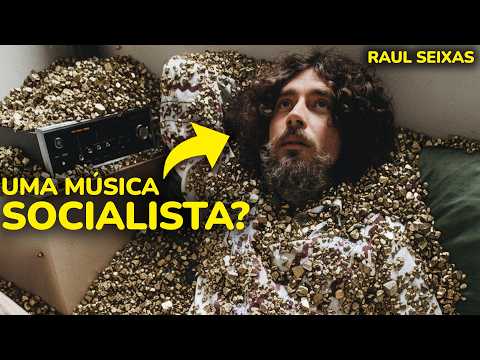
'OURO DE TOLO': uma música contra o "sistema" e crítica oculta ao ROBERTO CARLOS (Raul Seixas)
Raul Seixas and the Impact of "Ouro de Tolo"
The Context of the Song
- The song "Ouro de Tolo" was a significant critique during Brazil's dictatorship, with authorities monitoring Raul Seixas due to its protest nature.
- Written by Paulo Coelho, the song gained immense popularity, highlighting themes of discontent with economic miracles and societal norms.
Raul's Early Life and Career
- In the early 70s, Raul had a stable job as a music producer earning around 4,000 cruzeiros per month but felt unfulfilled.
- He transitioned from CBS to Philips Records, where he began to pursue his career as a singer despite not yet being successful.
Personal Struggles and Inspirations
- Raul faced financial hardships in Rio de Janeiro after moving from Salvador; he struggled to make ends meet while pursuing music.
- His lyrics reflect personal experiences and critiques of bourgeois ideals, showcasing irony about achieving success.
The Creation of "Ouro de Tolo"
- Despite rejecting leftist ideologies, Raul critiqued societal expectations like employment and family life through his lyrics.
- A conversation with guitarist Gay Wer inspired him to incorporate the idea that humans only use 10% of their brains into his songwriting.
Recording Process and Release
- In May 1973, Raul collaborated with Paulo Coelho to finalize songs for his debut LP while aiming for impactful music that resonated with everyday people.
- The recording involved live sessions at Philips Studios; various musicians contributed to create an authentic sound for "Ouro de Tolo."
Marketing Strategies and Public Reception
- A marketing campaign included street performances to promote the song amidst political tensions during Brazil's military regime.
- The song became widely recognized after a successful public demonstration on June 7th, gaining attention from media outlets like Jornal Nacional.
Criticism and Controversy
- Comparisons were drawn between "Ouro de Tolo" and works by Roberto Carlos; however, Raul clarified that it was not aimed at Carlos personally but rather at commercialism in music.
- Critiques led to increased scrutiny from government officials regarding Raul’s work as it was perceived as politically charged content.
Conclusion: Legacy of "Ouro de Tolo"
- By August 1973, "Ouro de Tolo" surpassed sales expectations, marking the beginning of Raul Seixas' influential career in Brazilian rock music.