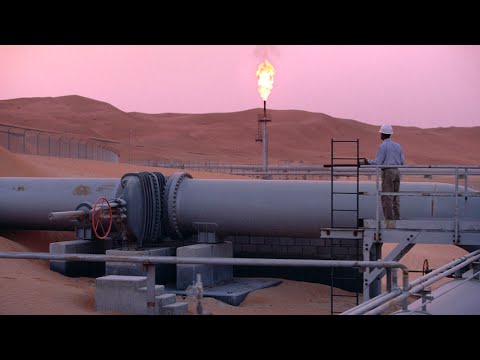
Saudi Arabia's Gigantic Oil Problem, Explained in 2 Minutes
The Changing Landscape of Saudi Arabia
Current State of Affairs
- Despite some social changes, women in Saudi Arabia still face restrictions such as not being able to drive and the prohibition of cinemas and concerts.
- The country remains heavily reliant on oil, but recent global price drops have led to a significant decline in oil revenues, impacting government finances.
Economic Transformation Efforts
- King Salman ascended the throne in 2015, with his son Prince Muhammad taking control over key aspects of the economy and governance.
- A major initiative includes selling up to 5% of Saudi Aramco, aiming for a sovereign wealth fund that could manage over $2 trillion, potentially transforming the economy.
Challenges in Diversification
- Despite efforts to diversify away from oil dependency, initiatives like a billion-dollar financial district remain largely unutilized; foreign workers constitute 80% of the private workforce.
- There is widespread apathy among Saudis towards employment opportunities, complicating efforts to integrate more citizens into the workforce.
Demographic Pressures
- Nearly half of Saudi Arabia's population is under 25 years old, with one-third facing unemployment; this demographic shift poses significant challenges for future stability.
- Traditional social contracts that provided cash incentives for loyalty are being reconsidered by Prince Muhammad amidst necessary reforms.
Turn any video into a summary like this
YouTube links, meetings, lectures. With transcripts, search, and chat.