Fellowship writing
Introduction to Jesser's Background
Overview of Jesser's Academic Journey
- The speaker shares their experience working with Jesser at Harvard University, highlighting her exceptional status as a PhD student selected from a competitive pool.
- Emphasizes the rigorous selection criteria for international students and notes that Jesser completed her PhD in nearly half the average time, showcasing her productivity.
- Mentions Jesser's adventurous spirit, including climbing Mount Kilimanjaro and traveling extensively, which reflects her diverse experiences and cultural engagement.
- Concludes the introduction by expressing hope that attendees will learn significantly from Jesser during her presentation.
Jesser's Presentation on Fellowships
Importance of Fellowship Applications
- Jesser expresses gratitude for the introduction and shares excitement about discussing fellowship and grant writing.
- She outlines her background in applying for fellowships during her PhD at Harvard and now as a postdoc at UT Southwestern Medical Center.
Skills Developed Through Fellowship Applications
- Discusses how applying for fellowships enhances communication skills, crucial for effectively presenting both scientific work and personal aspirations.
- Highlights that fellowship applications serve as marketing tools to convey one's identity, goals, and research direction to reviewers.
Strategies for Successful Fellowship Applications
Planning Ahead
- Stresses the importance of planning well in advance when preparing applications; recommends starting four months prior for more complex fellowships.
Assessing Fit with Funding Opportunities
- Advises applicants to carefully evaluate if they meet fellowship requirements to maximize chances of success by aligning with what funders seek.
Crafting Research Questions
- Encourages clear articulation of research questions and personal impact within applications, emphasizing why funding organizations should support them.
Application Process Insights
Understanding Application Requirements
- Recommends reviewing all application materials thoroughly to understand requirements before beginning the process.
Timeline Management
- Suggest breaking down tasks into manageable parts over time rather than cramming; this approach improves quality and clarity in submissions.
Fellowship Application Strategies
Understanding Fellowship Evaluation Criteria
- Many fellowships specify what they are looking to fund, emphasizing the importance of aligning your application with these goals.
- Applicants should focus on demonstrating intellectual merit and broader impact, which are common evaluation criteria for fellowships.
- Each sentence in the application should address either intellectual merit or broader impact; irrelevant information can hinder reviewers' understanding.
Crafting a Compelling Personal Statement
- Use specific phrasing from the fellowship's guidelines in your personal statement to directly answer their questions about your qualifications.
- Clearly illustrate examples of teamwork and independent work abilities to align with fellowship expectations.
Importance of Literature Review
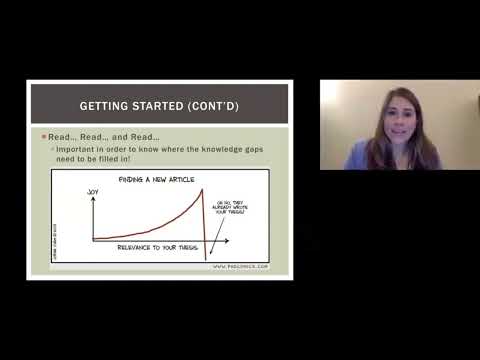
- Familiarity with existing literature is crucial, especially for scientific fellowships, as it helps identify knowledge gaps that your project can fill.
- Awareness of similar research before applying prevents redundancy and strengthens your proposal's uniqueness.
Structuring Your Proposal Effectively
- A clear hypothesis and aims are essential; articulate what you hope to achieve through the fellowship experience.
- Organization is key—outline objectives clearly to help reviewers assess alignment with fellowship goals.
Emphasizing Impact and Clarity
- Every word counts; adhere to word limits while ensuring clarity and precision in writing.
- Reading applications aloud can help identify unnecessary words and improve flow.
Key Elements of a Scientific Fellowship Proposal
- Proposals should start with a bolded goal statement followed by context and hypotheses, making it easy for reviewers to grasp main points quickly.
Adapting Structure for Non-scientific Fellowships
- The same organizational principles apply: state your goal, reasons for pursuing the experience, and how it will enhance your skills clearly.
Relating Work to Clinical Settings
- Highlight how your work impacts patients or clinical settings, ensuring even those unfamiliar with the field understand its significance.
Fellowship Writing Insights
Importance of Clarity in Fellowship Applications
- Emphasizes the significance of articulating how research relates to broader societal benefits, highlighting a common oversight in fellowship writing.
- Suggests that applicants should clearly state the impact of their fellowship experience on both personal growth and societal contributions early in their application.
- Advises against setting overly ambitious goals; instead, focus on realistic yet aspirational objectives that align with career aspirations.
Crafting an Impact Statement
- Recommends writing impact statements as if explaining to a friend, promoting clarity over verbosity in personal statements.
- Provides an example of a scientific-based impact statement, illustrating how to effectively communicate the relevance and urgency of research applications.
- Stresses the need for applications to pass the "five-minute test," ensuring reviewers can quickly grasp key points about the applicant's fit and funding justification.
Techniques for Effective Communication
- Suggests printing applications and having someone read them within five minutes to gauge clarity and effectiveness; feedback is crucial for improvement.
- Highlights that fellowships fund researchers rather than just research projects, emphasizing personal potential alongside scientific merit.
Personalizing Your Application
- Encourages applicants to showcase their individuality through memorable experiences or unique qualities relevant to their field.
- Advises summarizing past research experiences succinctly while focusing on strengths that align with fellowship goals.
Aligning Career Goals with Fellowship Objectives
- Stresses the importance of demonstrating how receiving a fellowship will contribute to long-term career aspirations, ensuring alignment with funding priorities.
- Warns against including unrelated career ambitions in applications, as this may detract from perceived commitment to the fellowship's focus area.
Previous Research and Fellowship Applications
Importance of Previous Research Experience
- Highlight the significance of previous research experiences in fellowship applications, focusing on their impact and your role.
- Frame your experience as part of a larger narrative rather than a dry summary; emphasize broader goals like understanding disease mechanisms.
Structuring Your Proposal
- Follow a clear structure for scientific proposals: introduce significance, state hypothesis, outline objectives, and detail methodology.
- Ensure feasibility in your research plan; avoid proposing ideas that require new technology or are unrealistic within the given timeframe.
Intellectual Merit and Broader Impacts
- Address intellectual merit by showcasing personal abilities relevant to the fellowship; articulate how your work contributes to broader impacts.
- Avoid jargon; use clear language understandable to reviewers from diverse fields. Define technical terms when necessary.
Letters of Recommendation
Choosing Recommenders Wisely
- Select recommenders who know you well, such as research advisors or teachers, considering their professional status for networking benefits.
- Prioritize recommenders who are well-connected in your field but also have a strong personal understanding of your capabilities.
Supporting Your Recommenders
- Provide context about the fellowship application to help recommenders write impactful letters; share why you’re a good candidate.
- Consider sending bullet points outlining key aspects you'd like included in recommendation letters to guide writers effectively.
Understanding Your Audience
Tailoring Your Application
- Recognize that reviewers may come from various backgrounds; tailor content to be accessible while addressing all potential reviewer perspectives.
- Be aware that applications can receive multiple reviews; ensure clarity and organization throughout your proposal for easier navigation.
Standing Out Among Applicants
- To differentiate yourself, maintain clear organization with strategic emphasis using bold or italics—limit this to one or two sentences per paragraph.
- If allowed by the fellowship guidelines, consider including visuals like schematics to enhance comprehension of complex ideas.
How to Stand Out in Fellowship Applications
The Importance of Clarity and Self-Marketing
- Clearly articulating what you hope to gain from the fellowship and why you're a good fit is crucial for scoring high. Think of your application as a marketing tool.
- In today's social media age, self-marketing has become easier. Use platforms like LinkedIn to highlight your skills and aspirations, applying that same approach to your fellowship writing.
- Don't be overly humble; elaborate on your experiences and skills. Effectively market yourself to enhance your chances in the fellowship process.
Seeking Feedback and Meeting Requirements
- It's essential to get feedback from various sources—colleagues, professors, peers, or even family members—to refine your application before submission.
- Not all feedback will be equally helpful; focus on comments that improve clarity and understanding of your proposal.
Common Reasons for Proposal Rejections
- Scientific proposals may be rejected due to weak hypotheses or lack of innovative ideas. Ensure that your proposal presents a strong argument backed by evidence.
- Non-scientific proposals also face rejection if they lack clarity about the applicant's fit or impact.
Perseverance in the Application Process
- Applying for fellowships can feel like a numbers game; don't get discouraged by rejections. Learn from each application experience.
- Incorporate reviewer comments into future applications as part of an iterative learning process.
Positive Aspects Highlighted in Successful Applications
- Successful applications often demonstrate clear communication, impactful research ideas, leadership abilities, and effective outreach activities.
- Funders are interested in projects with significant societal benefits; ensure you articulate this clearly in your application.
Resources for Crafting Strong Applications
- Review successful applications from previous years if available; they can provide insights into effective impact statements and strategies used by funded applicants.
- Networking with individuals who have successfully secured fellowships can yield valuable information about what aspects were emphasized in their applications.