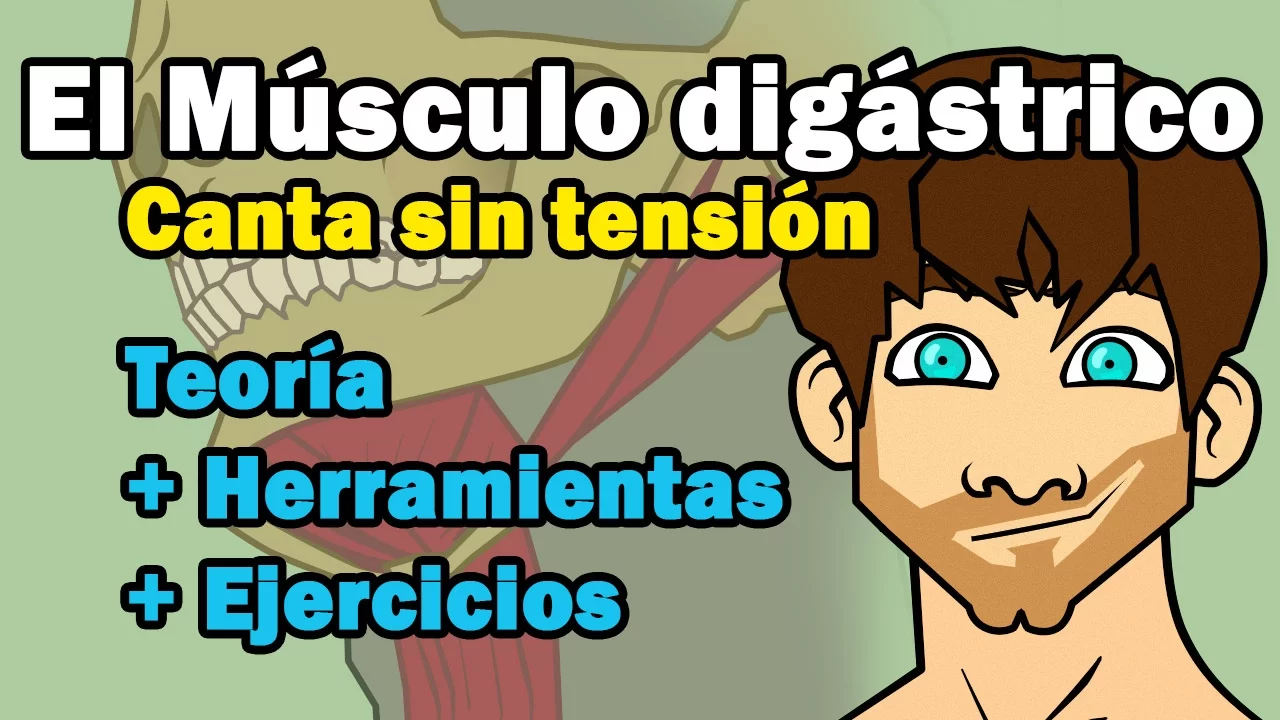
Cómo cantar sin Tensión: Teoría + Herramientas + Ejercicios
Introduction to Vocal Techniques
In this section, the speaker introduces the concept of vocal tension and its impact on singing. Various causes of tension in different muscle groups involved in singing are discussed.
Causes of Vocal Tension
- The tongue is a primary cause of tension; retracting it backward can lead to jaw tension, often done unconsciously to prevent the larynx from rising.
- Jaw tension can occur when slightly opening the jaw, causing muscles like the gastric muscle to become rigid.
- Neck tension arises from lifting and stretching it forward or backward, affecting throat muscles and contributing to overall vocal strain.
- Misconception that voice comes directly from the mouth leads to unnecessary effort while singing, emphasizing the importance of dissociating singing from exertion.
Disassociating Singing from Effort
- Avoid associating singing with effort as it triggers unnecessary muscle tension; instead, focus on a more vertical vocal approach.
- Abdominal engagement should not involve tightening but rather maintaining relaxation to prevent associating singing with physical strain.
Practical Exercises for Vocal Relaxation
Practical exercises are introduced to help singers relax their vocal muscles and improve their technique by focusing on specific areas like abdominal support and tongue positioning.
Vocal Relaxation Exercises
- Practice simple actions like "dog panting," holding two plates, and laughing to understand abdominal support without unnecessary tension.
- Perform gentle sounds like "fm" focusing on nasal airflow before engaging vocal cords; avoid rushing progress in vocal training.
Tongue and Jaw Relaxation
- Lower chin slightly, activate neck muscles gently, and lightly bite your tongue between teeth to ensure jaw and tongue relaxation for improved vocal control.
Key Takeaways for Vocal Technique Improvement
Recapitulation of essential steps for reducing vocal tensions through proper muscle relaxation techniques during singing practice.
Key Points for Vocal Improvement
- Emphasize sound production without excessive force by monitoring tongue, jaw, neck, and abdominal relaxation throughout vocal exercises.
Music and Greetings
The speaker mentions music and greets the audience.
Music and Greetings
- The speaker utters "i y sí" followed by music.
- Another phrase "ah e bien bien" is spoken along with music.
- A musical interlude is heard in the background.
Closing Remarks and Farewell
The speaker concludes the interaction, expresses affection, and bids farewell.
Closing Remarks and Farewell
- Expressions like "más," "sí m sí no sí no sí," are said amidst music.