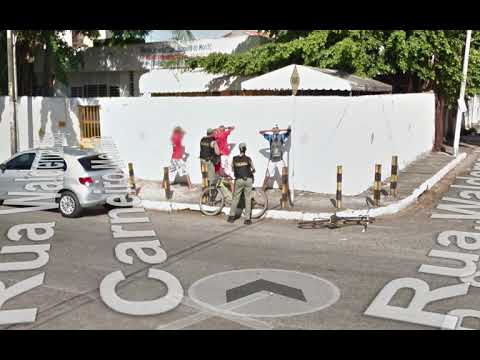
Nunca é noite no mapa
A City Within a Map
The Nature of the Map
- The speaker reflects on their existence within a city, emphasizing that they are physically present in the map but the map itself is indifferent to their presence.
- The map is described as abstract and free, lacking physical attributes like legs or wings, and it does not experience discomfort or hold opinions.
- There is a sense of permanence in being "inside the map," suggesting an inescapable connection between the individual and their environment.
Interaction with Authority
- A moment of surprise occurs when the speaker observes a police vehicle attempting to navigate through their neighborhood, highlighting curiosity and fear about authority's role in mapping spaces.
- The presence of a guard raises questions about whether they might intervene on behalf of the map, indicating an implicit relationship between law enforcement and urban navigation.
Equality Before the Map
- The narrative asserts that everyone is equal before both law and map; this equality extends to how police vehicles traverse the city alongside other vehicles.
- This notion suggests that societal structures are mirrored in how maps represent space, reinforcing themes of uniformity across different entities within urban settings.
Changes Over Time
- Historical context reveals that certain areas were previously inaccessible to mapping technologies (e.g., dirt roads), but over time these spaces have become integrated into the city's layout.
- The evolution of access for police vehicles symbolizes broader changes within society, reflecting shifts towards increased surveillance and control over urban environments.
Impartiality of Mapping
- The impartial nature of maps is likened to private security agents who prioritize property agreements over community representation, underscoring issues related to ownership versus public interest.