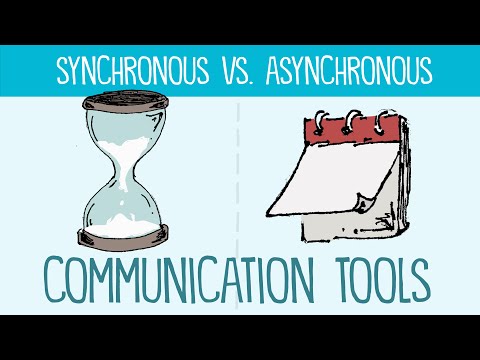
Synchronous vs Asynchronous Learning: A Quick Guide

Synchronous vs Asynchronous Learning: A Quick Guide

Understanding Synchronous and Asynchronous Communication

The Importance of Intentional Communication

  • We live in an era of constant digital communication, which allows for global collaboration but can lead to distractions. Quality communication requires intentionality.

Defining Communication Types

  • Synchronous Communication: Occurs in real-time (e.g., video conferences, live chats, phone calls). It is dynamic and promotes active participation.
  • Asynchronous Communication: Takes place over a longer period (e.g., pre-recorded videos, audio messages, emails). It allows participants to engage at their own pace without the need for immediate responses.

Advantages and Disadvantages

  • Synchronous Communication:
  • Faster and more interactive.
  • Works well with smaller groups.
  • Can lead to interruptions that hinder deep work.
  • Asynchronous Communication:
  • No scheduling required; fewer disruptions.
  • Ideal for unstable internet connections or different time zones.
  • Provides a permanent record of communications but may feel less interactive when addressing issues immediately is necessary.

Blending Communication Methods

  • Some platforms combine synchronous and asynchronous elements (e.g., walkie-talkie apps allow real-time communication with playback options). Shared documents enable real-time edits while maintaining asynchronous comments. Video chats can be recorded for later access, enhancing accessibility. Social media often merges live and recorded content as well. Both types are essential for effective collaboration.

Strategic Use in Teams and Education

  • Teams should strategically plan when to use synchronous versus asynchronous communication during collaborative projects.
Video description

If you would like to use this video in a training, please check out https://www.visualizelearning.com/ for licensing information. Description: A short description on the difference between synchronous and asynchronous communication tools. We live in an era of constant digital communication. With the tap of a button, we can share insights and collaborate with people all over the world. But there's a cost. We can easily get distracted and lose our focus. Quality communication requires intentionality. This is why it helps to think about the distinction between synchronous and asynchronous communication tools. Synchronous communication happens in real-time, in the moment. Asynchronous communication does not happen in real-time. Instead, it can happen over a longer period of time. Synchronous communication might be a video conference, a live chat, or a phone call. Asynchronous communication might include a pre-recorded video, an audio message, or an email. Both synchronous and asynchronous communication have their distinct advantages and disadvantages. Synchronous communication is faster and more dynamic. It's great for active participation and interactive discussions. It tends to work well with smaller groups. But it can lead to frequent interruptions and distractions that get in the way of deep work. But with asynchronous communication, there's no need to schedule, which means you can go at your own pace with fewer disruptions. Asynchronous communication works well when internet connection is unstable or when participants are in different time zones. It also tends to allow for a permanent record of the communication. However, asynchronous communication doesn't work well when you need to address issues in the moment and it can feel less interactive. Some communication platforms blend synchronous and asynchronous. A walkie-talkie app lets you communicate in the moment but also listen later and even adjust the speed. A shared document has real-time edits but the comments are asynchronous and there is a permanent record of all annotations. Video chats can occur in real-time but also be recorded for replay. This can help increase accessibility. Meanwhile, social media platforms often blend together live and recorded videos, chats, and updates. Both synchronous and asynchronous communication are necessary for collaborative work. This is why teams should think strategically about when to use both types of communication as they plan collaborative projects. And educators should be intentional about how they use both approaches to improve student collaboration.